
Yeast Dough for Pan-Fried Hand Pies
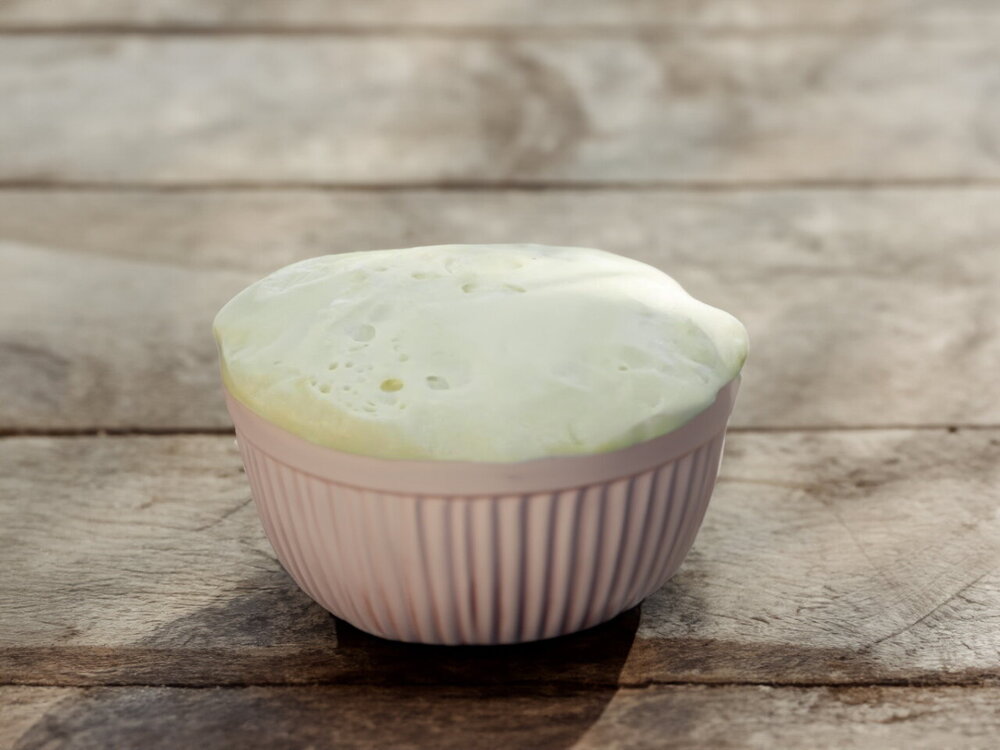
The simplest and airiest dough, made from inexpensive ingredients. Yeast dough for pan-fried hand pies is made from ingredients available to everyone. Pastries made from it turn out fluffy, tender, and very tasty even after cooling. It is suitable for fasting.
Updated : 15 April, 2026
Easy
More than 1 hour.
Ingredients
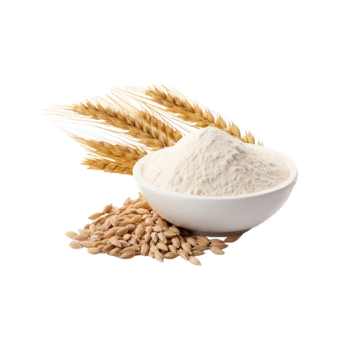
5 cup
Wheat flour

2 cup
Water
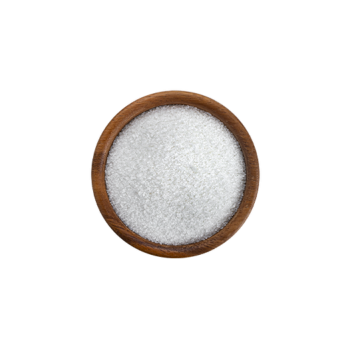
2 tablespoon
Sugar
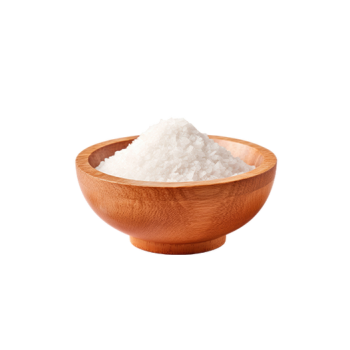
2 teaspoon
Salt
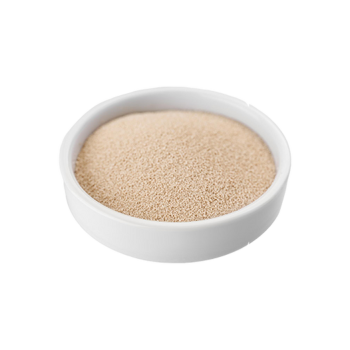
12 grams
Dry yeast
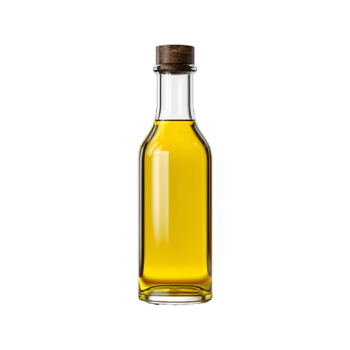
3 tablespoon
Vegetable oil
Table
Table of volume measurements:
- teaspoon - 5 ml
- dessert spoon - 10 ml
- tablespoon - 20 ml
- glass - 200 ml
Preparation
Step 1
How do you knead yeast dough for pan-fried hand pies? Prepare all the necessary ingredients. Use all-purpose flour. Any odorless vegetable oil will work. Before using the yeast, read the instructions on the package. Some yeasts need to be activated first by dissolving them in warm water, while others can be added directly to the flour. For this dough, use the kind that needs to be activated first.
Step 2
For kneading the dough, take a deep bowl in which it will be convenient to mix the dry and liquid ingredients. Heat the water to 37-40°C (98-104°F). If you do not have a kitchen thermometer, you can determine the right temperature this way: put a drop of water on the inside of your wrist. If it feels neutral, neither cold nor hot, the temperature is correct. Add the sugar and yeast to the water.
Step 3
Stir with a spoon until the sugar has completely dissolved. If the temperature is too low, the yeast will work more slowly and the dough will need more time. If the temperature is too high, the yeast will die, the dough will not rise, and the flavor of the finished pies will be spoiled.
Step 4
Add 4 tablespoons of sifted flour, mix, and leave in a warm place for 10-15 minutes. The flour for the dough should always be sifted to remove any small impurities and to enrich the dough with oxygen, so it rises well and turns out airy. If a fluffy cap appears on the surface, it means the yeast has activated and you can continue. If not, you need to use different yeast.
Step 5
Add the salt and 2 tablespoons of vegetable oil to the dough. Save 1 more tablespoon for greasing the bowl in Step 9. Mix everything well so the salt dissolves and the oil is distributed evenly through the liquid.
Step 6
Sift half of the required flour into the bowl to remove any small impurities and enrich the dough with oxygen. Mix with a spoon until smooth. Sift the remaining flour into a separate container.
Step 7
Since flour of the same type but from different producers can behave differently, add the flour in small portions to achieve the right consistency. You may need a little less or a little more. When it becomes difficult to mix with a spoon, begin kneading with your hands. Knead the dough thoroughly.
Step 8
Do not overload the dough with flour. It should turn out soft and tender. If some flour remains, you will need it later when shaping the hand pies.
Step 9
Grease the bottom and sides of the bowl with vegetable oil so the dough does not stick. Also knead the finished dough lightly with oiled hands. Cover the bowl with a napkin or towel so the dough does not dry out and rises well. Leave it in a warm place for about 1-1 1/2 hours.
Step 10
When the perfect water-based yeast dough increases in volume by 1.5 to 3 times, it is ready and you can begin working with it. Shape the hand pies with oiled hands or dusted with flour. But keep in mind that if there is too much flour on the pies, it will burn during frying.
Author note
Share the recipe


