
Ultimate South African Biltong
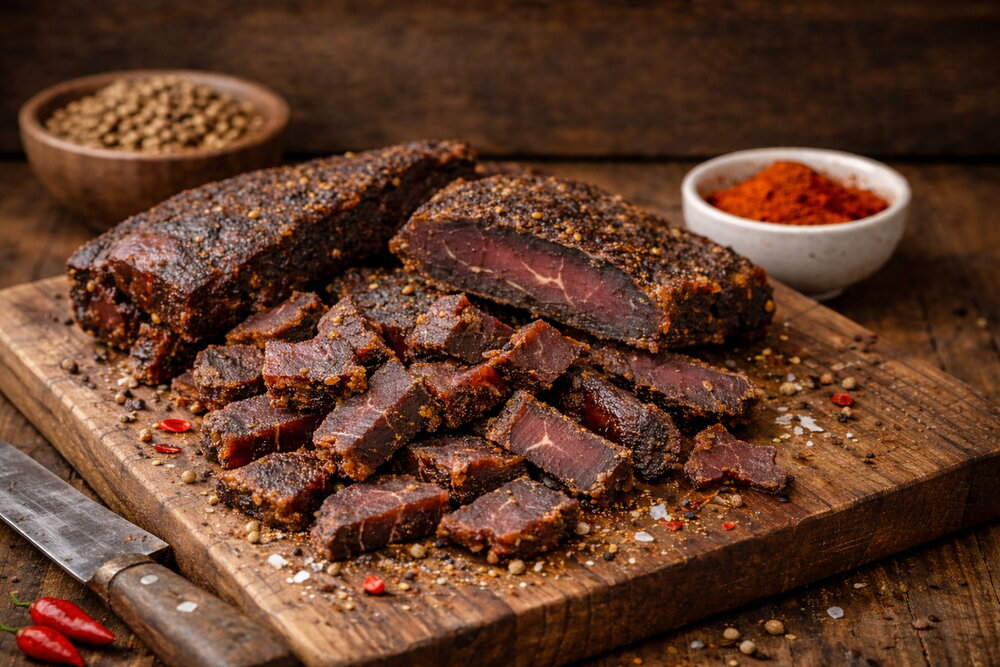
Traditional homemade biltong made by salting, curing, spicing, and air-drying beef strips until perfectly tender and flavourful, with detailed drying and storage guidance.
Updated : 25 February, 2026
Easy
More than 1 hour.
Ingredients
For the meat
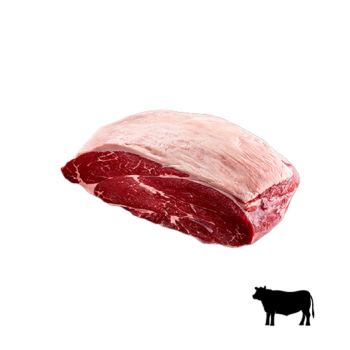
2.5 kilograms
Beef rump
120 grams
Sea salt
Wet cure
120 grams
Red wine vinegar
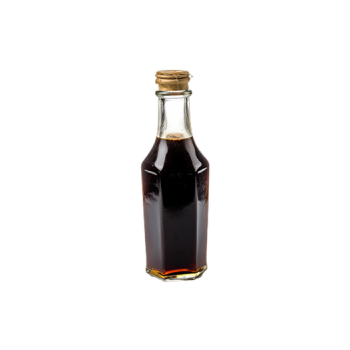
120 grams
Worcestershire sauce

60 grams
Honey
Spice mix
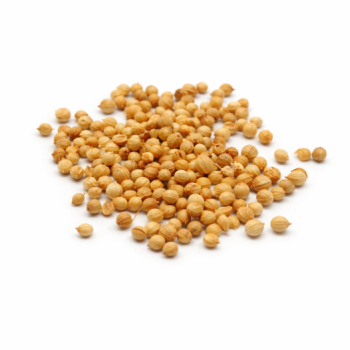
30 grams
Coriander seeds
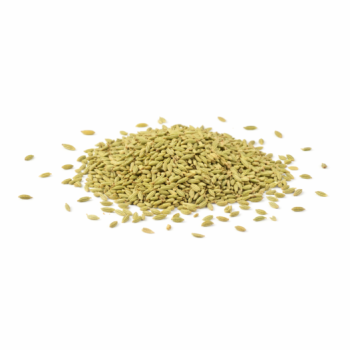
20 grams
Fennel seeds
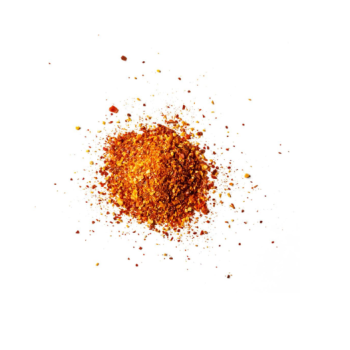
4 grams
Chilli flakes

10 grams
Peppercorns
Table
Table of volume measurements:
- teaspoon - 5 ml
- dessert spoon - 10 ml
- tablespoon - 20 ml
- glass - 200 ml
Preparation
Step 1
Cut the meat into strips approximately 3cm (1.1 inches) thick, slicing along the grain for the proper texture. Trim away any silver skin, tough connective tissue, or unwanted fat, but leave most of the fat intact to help retain moisture and enhance flavour.
Step 2
Sprinkle salt evenly over all surfaces of the meat, ensuring every side is well coated. Leave the salted meat to rest for 2 hours, turning the pieces occasionally to allow the salt to distribute evenly.
Step 3
While the meat is salting, prepare the wet cure by mixing all the cure ingredients together thoroughly.
Step 4
Once the meat has finished salting, rub off the excess salt without rinsing it. Place the meat into a properly sized, non-reactive, food-safe plastic or ceramic container. Pour the wet cure over the meat and allow it to marinate for 2 hours, turning the pieces occasionally so the cure penetrates evenly.
Step 5
While the meat marinates, toast the coriander seeds, fennel seeds, and chilli flakes in a dry pan over medium heat. Ensure the area is well ventilated, as the spices may release smoke. Toast until the spices become fragrant, slightly smoky, and aromatic, then remove them from the pan and allow them to cool completely.
Step 6
Once cooled, grind the spices using a spice grinder or pestle and mortar. Crush them until broken down but still slightly coarse, so the individual spices remain visible and distinct.
Step 7
Coat the meat thoroughly with the prepared spice mixture, pressing it into every surface and crevice.
Step 8
Insert a small meat hook or straightened paperclip through each strip and attach a label. Weigh each piece and record the weight on the label to monitor moisture loss. The meat is ready when it has lost approximately 50% of its original weight, which typically takes about 1 week, though checking should begin after 4 days.
Step 9
Hang the meat in a warm, dry, well-ventilated environment, ideally at around 30°C (86°F). Ensure the area is protected from insects and animals.
Step 10
Once the meat has reached the desired dryness and weight loss, remove the hooks. Slice thinly using a sharp knife and serve.
Step 11
Store the finished biltong in airtight wrapping or vacuum-sealed bags in the refrigerator. For longer storage, freeze the meat.
Author note
Share the recipe


