
Thin Lezgin Khinkal
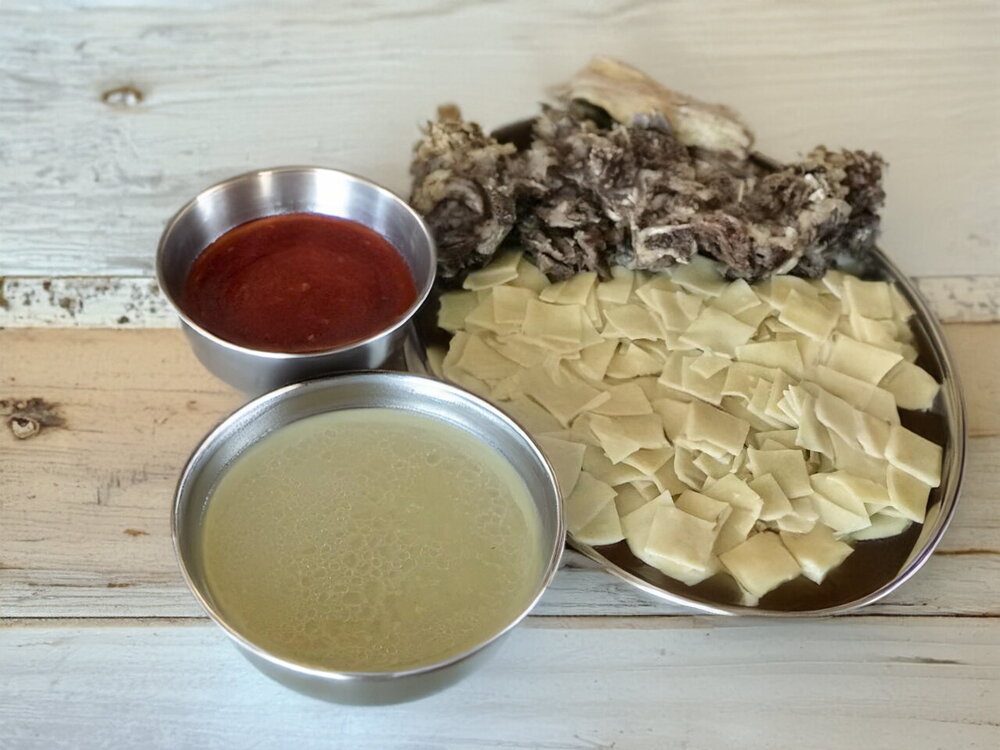
So aromatic, hearty, and delicious - truly a great find. Thin Lezgin Khinkal can be made with bone-in beef, chicken, or lamb. Every version turns out tasty, so choose the meat according to your preference.
Updated : 17 June, 2026
Easy
About 1 hour.
Ingredients
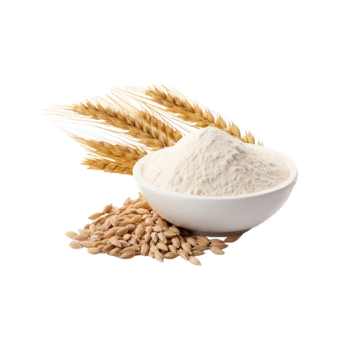
1 kilograms
Wheat flour
1
Eggs
20 grams
Salt

400 milliliters
Water
1 sluoksnis
5 liter
Water
1.5 kilograms
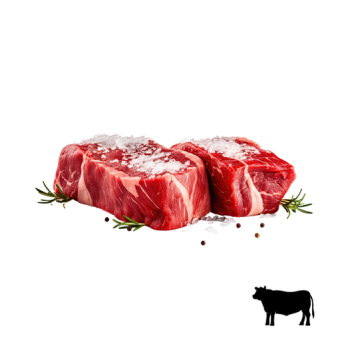
Beef
30 grams
Salt
2 sluoksnis
50 grams
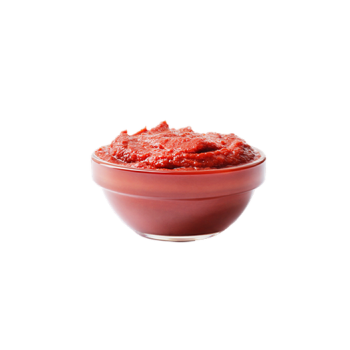
Tomato paste
5
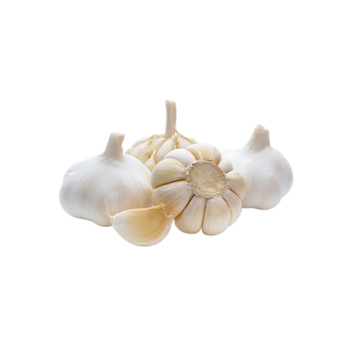
Garlic
30 milliliters
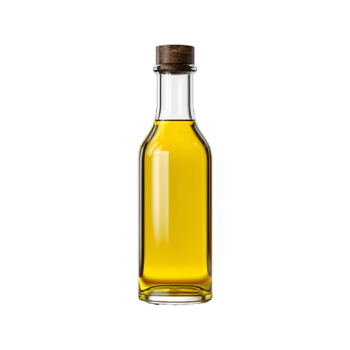
Vegetable oil
3 grams
Salt
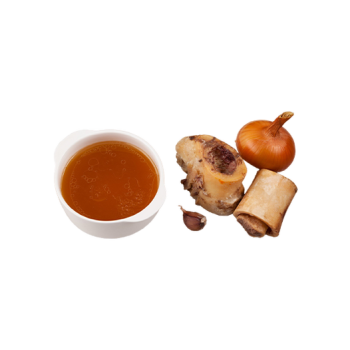
250 milliliters
Meat broth
Table
Table of volume measurements:
- teaspoon - 5 ml
- dessert spoon - 10 ml
- tablespoon - 20 ml
- glass - 200 ml
Preparation
Step 1
Put the meat on to cook until fully done. It cooks for about 2 hours, but the exact time depends on how tough the meat is. At the beginning, pour 3 liters of water, about 12 3/4 cups, into the pot, and after 1 hour add 2 more liters, about 8 1/2 cups. Salt the meat broth 20–25 minutes before the end of cooking, while the meat is not yet fully done. This helps keep the meat from becoming tough. To taste, you can add a pinch of pepper and 3 bay leaves, which pair especially well with chicken.
Step 2
Prepare the tomato sauce. Heat a skillet, pour in 30 ml of vegetable oil, about 2 tablespoons, and heat it. Then add 50 g of tomato paste, about 2 tablespoons. Fry it until it gives off a pleasant aroma and the paste darkens slightly. After that, add about 250 ml of broth, about 1 cup, and stir. Add the broth little by little so the sauce does not become too thin. Simmer the sauce for 2–3 minutes and pour it into a small bowl. Add 5 garlic cloves and a pinch of salt. Press the garlic through a garlic press, or grate it finely, or chop it very finely with a knife.
Step 3
Knead the dough 30–40 minutes before the meat is ready. To do this, add 1 egg and 1 level tablespoon of salt to the flour. You will need about 400–430 ml of water, about 1 2/3 to 1 3/4 cups. Knead until smooth. The dough should be stiff. Cover it with a kitchen towel and let it rest for 5–10 minutes. If you do not cover it, a film will form on the dough. The resting time makes it easier to roll out.
Step 4
Divide the dough into 2 parts and shape them into 2 balls. Cover one ball and set it aside, and place the second one on the work surface for a couple of minutes. Important: dust the board with enough flour so the dough does not stick. Roll the dough out very thinly, about 1 mm, about 1/25 inch, thick. Mine came out to about 68 cm, about 27 inches, in diameter. Then cut it into squares with a knife: first make vertical lines across the sheet of dough, then horizontal ones. That gives you your khinkal pieces.
Step 5
When the meat is cooked, remove it with a slotted spoon onto a plate. It is better to strain the broth through a fine sieve. I do this so the finished khinkal looks cleaner, because on the pale dough even tiny bits in the broth look untidy. If you do not have a sieve, pour the broth into a deep bowl. After 2–3 minutes, carefully pour the broth back into the pot so that nothing unwanted from the bottom of the bowl gets back in.
Step 6
For boiling the khinkal pieces, there should be enough broth in the pot so they do not stick to the bottom. If most of the liquid has boiled away, add 1 more liter of water, about 4 1/4 cups. Taste the broth and add salt if needed. Cover with a lid and wait until it boils. After it comes to a boil, add the cut khinkal pieces and stir them so they do not stick together. Then close the lid and wait until it boils again, stirring once more. Cook for 3–5 minutes. Personally, I cook them for 3 minutes because I do not like them overcooked and too soft, but some people do. So while cooking, take out a couple of pieces and taste them. Remove the khinkal pieces quickly with a slotted spoon so they do not soften too much.
Step 7
Serve immediately after cooking with the tomato-garlic sauce, a piece of meat, and broth in a small bowl. If you like, add a little butter. Enjoy your meal!
Author note
Share the recipe


