
Sausage and Cheese Buns

Very fluffy and insanely tasty! These sausage and cheese buns are made with the simplest yeast dough made with water. It works great for both savory and sweet baking - just swap the filling for any other.
Updated : 02 March, 2026
Easy
More than 1 hour.
Ingredients

3 tablespoon
Vegetable oil
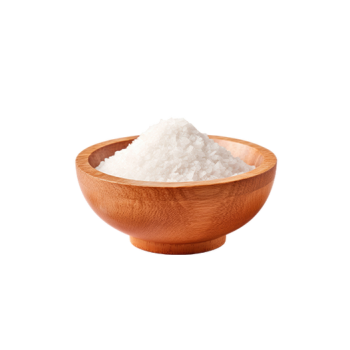
1 teaspoon
Salt
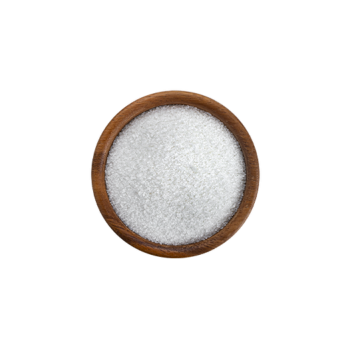
2 teaspoon
Sugar

300 milliliters
Water
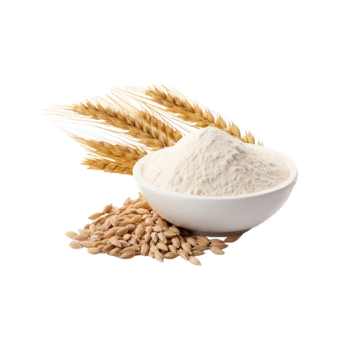
600 grams
Wheat flour
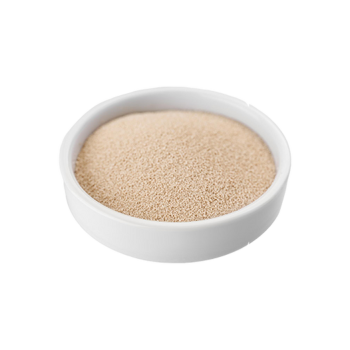
1.5 teaspoon
Dry yeast
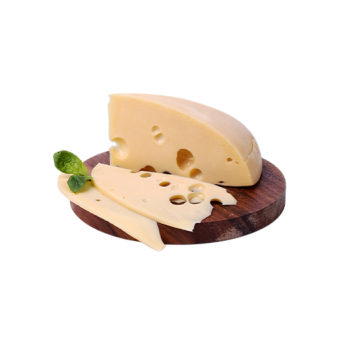
300 grams
Hard cheese
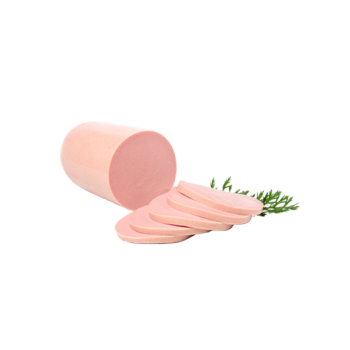
350 grams
Boiled sausage

1
Egg yolks
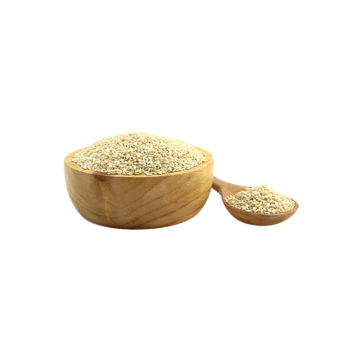
1 tablespoon
Sesame
Table
Table of volume measurements:
- teaspoon - 5 ml
- dessert spoon - 10 ml
- tablespoon - 20 ml
- glass - 200 ml
Preparation
Step 1
How do you make sausage and cheese buns? Prepare all ingredients. Use refined vegetable oil. Choose good boiled sausage; for a stronger aroma, use smoked sausage. Pick a cheese that melts well in the oven. You can replace sesame with poppy seeds, flax seeds, or skip the topping. Use all-purpose flour (high or first grade) so the buns are nice and white inside.
Step 2
Warm the water to 35-38°C (95-100°F) - yeast activates faster at this temperature. Add sugar and stir; yeast grows faster in a sweet environment. Add dry yeast and stir. Cover with a cloth and place in a warm spot for 15-20 minutes. Dry yeast can be replaced with fresh yeast, 15 g. If your kitchen is warm, close the windows and leave the bowl on the counter.
Step 3
Meanwhile, prepare the flour: be sure to sift it through a sieve. This makes the dough lighter and airier.
Step 4
If the yeast is good, foam should appear on the surface. If there’s no foam, the yeast was poor quality or the room was cool. In that case, the buns may not rise and can turn out dense.
Step 5
Pour vegetable oil into the sponge and add salt. Stir.
Step 6
Add the sifted flour in small portions. After each addition, mix well with a spoon so everything hydrates evenly. You may need more or less flour than I did.
Step 7
When the dough becomes quite firm and hard to mix with a spoon, continue kneading by hand.
Step 8
Dust a board with flour. Transfer the dough and knead until you get a soft ball that doesn’t stick to your hands. Add a little flour if needed. Because flour varies, the amount can change slightly and may differ from the recipe’s stated amount.
Step 9
Return the dough to a deep bowl. Cover with a cloth and leave in a warm place for about 90 minutes. The time is approximate - your dough may need more or less time to rise.
Step 10
Meanwhile, prepare the filling. Dice the boiled sausage into small cubes. Grate the hard cheese on a medium or coarse grater.
Step 11
After the time in step 9, the dough should increase 2-3 times. Proofing time depends on room temperature and yeast quality and can be shorter or longer.
Step 12
Move the rested dough to a floured board and punch it down well. Divide into 3 pieces. Shape each into a ball and work with them one at a time. While working with one piece, keep the others covered in the bowl so the dough doesn’t dry out.
Step 13
Roll the dough into a thin rectangular sheet. If needed, dust the board with flour so the dough doesn’t stick.
Step 14
Mentally divide the cheese and sausage into 3 portions. Spread one portion of grated cheese and diced sausage over the sheet.
Step 15
Roll into a tight log and pinch the edges on both sides and along the seam so the filling stays inside.
Step 16
Cut into 8 portions.
Step 17
For baking, use a metal baking sheet, an ovenproof dish, or muffin tins for a prettier shape. Line the pan with good parchment so the buns don’t stick. I didn’t grease my metal muffin cups and the buns stuck to the bottom - how I fixed it is described later. Cover the pan with a cloth and leave in a warm place for 25-35 minutes.
Step 18
Lightly beat the egg yolk and brush the buns. Sprinkle with sesame seeds. Preheat the oven to 190-200°C (375-390°F). Since ovens vary, use yours as the guide; baking time may differ. Bake for 20-25 minutes. To check doneness, pierce a bun with a wooden skewer - if no dough sticks, they’re ready.
Step 19
The sausage and cheese buns are ready. In my case, I couldn’t remove them from the tins right away. To release them, I covered the tins with a cloth, then added a plastic bag on top, and covered with a warm towel. I left them for 15-20 minutes, then gently loosened with a spatula and removed them.
Step 20
Right after baking, the buns are extremely soft - almost melt in your mouth. Once fully cooled, they slice neatly with a knife. Store in a tightly closed container for no more than 1-2 days; after that they become denser and less tasty. Cold buns can be warmed slightly in the microwave to make them softer. Enjoy!
Author note
Share the recipe


