
Japanese Cotton Sponge Cake “Castella”
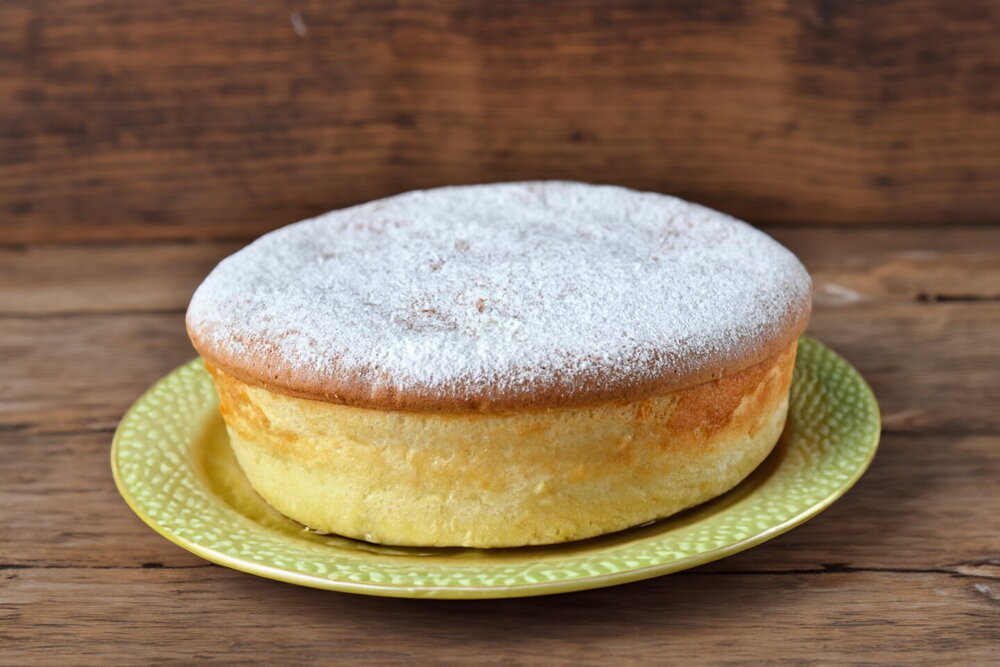
Fluffy and tasty, made from simple ingredients - it practically melts in your mouth! Japanese cotton sponge cake “Castella” is unlike any other sponge. It’s very airy, very soft, almost weightless - like eating a fragrant, delicate cloud. Lots of eggs make the batter light, and starch makes it extra tender.
Updated : 07 January, 2026
Easy
Ingredients
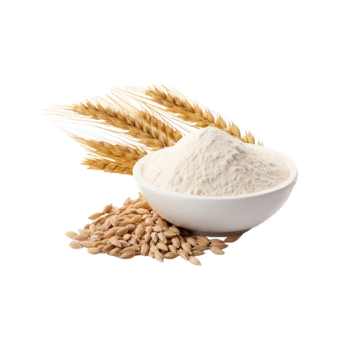
115 grams
Wheat flour
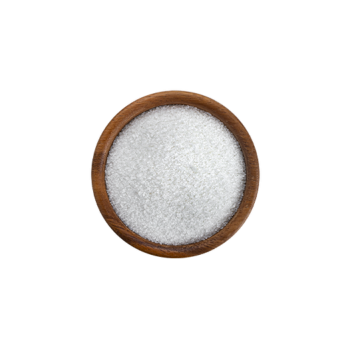
115 grams
Sugar
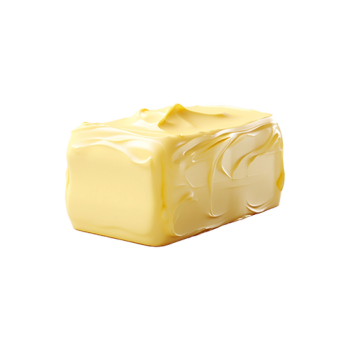
115 grams
Butter
115 grams
Milk
7
Eggs
2 tablespoon
Cornstarch
Table
Table of volume measurements:
- teaspoon - 5 ml
- dessert spoon - 10 ml
- tablespoon - 20 ml
- glass - 200 ml
Preparation
Step 1
How to make Japanese cotton sponge cake “Castella” at home? First, prepare the necessary ingredients.
Step 2
Start with the flour blend. Use flour with protein content no higher than 10.3 g. To reduce gluten, remove 2 tbsp flour from the bowl and replace it with 2 tbsp cornstarch.
Step 3
Sift the mixture through a sieve 2-3 times. This helps distribute the cornstarch evenly through the flour.
Step 4
Separate the eggs into whites and yolks in clean, dry bowls, making sure not a drop of yolk gets into the whites. If any yolk or water gets into the whites, they won’t whip properly. Refrigerate the whites right away.
Step 5
Pour the milk into a saucepan and add the butter. Warm over low heat until the butter melts. Remove from the heat.
Step 6
Cool the mixture to 50-60°C (122-140°F). It’s best to check with a kitchen thermometer.
Step 7
Pour the warm milk-butter mixture into the bowl with the sifted flour blend and whisk until smooth.
Step 8
Add the yolks in parts, mixing well with a whisk or a mixer on low speed after each addition. Avoid whipping on high speed so you don’t create lots of large air bubbles.
Step 9
You should get a smooth, viscous mixture resembling thick sour cream. Because egg size, milk fat, and flour properties vary, focus on this consistency. If needed, slightly increase or decrease the flour to achieve the right thickness.
Step 10
Whip the egg whites with a mixer to stiff peaks, gradually adding the sugar. The whites should be delicate and airy, yet stable. Don’t overwhip them into a very dense foam, or the sponge won’t be airy.
Step 11
Gently fold the whipped whites into the batter in small portions using a spatula, trying not to deflate it and reaching all the way to the bottom of the bowl.
Step 12
You should end up with an airy, uniform, fine-bubbled batter.
Step 13
Line the bottom and sides of a baking pan 18–20 cm (7–8 in) with parchment. If using a thick silicone mold, no lining is needed. It’s better to use a solid (non-springform) pan so water can’t seep in and ruin the sponge. Pour in the batter and level it. Fill a larger pan or tray with water and place the cake pan inside so the water level is about 2 cm (≈ 3/4 in).
Step 14
Bake “Castella” in an oven preheated to 150°C (302°F) for about 70 minutes. Do not open the oven or the sponge may collapse. Cool the sponge in the turned-off oven with the door closed as well. Since all ovens differ, baking time may vary - watch the sponge through the closed door.
Step 15
Remove the finished sponge from the pan onto a plate, dust with powdered sugar, and cut into pieces. You will notice the bottom edge is denser and more yellow, while the top is lighter and more porous. That’s normal - the bottom was in hot water. This affects color and texture, but the sponge is fully baked and equally tender throughout. Enjoy!
Author note
Share the recipe


