
Homemade Dry Red Wine
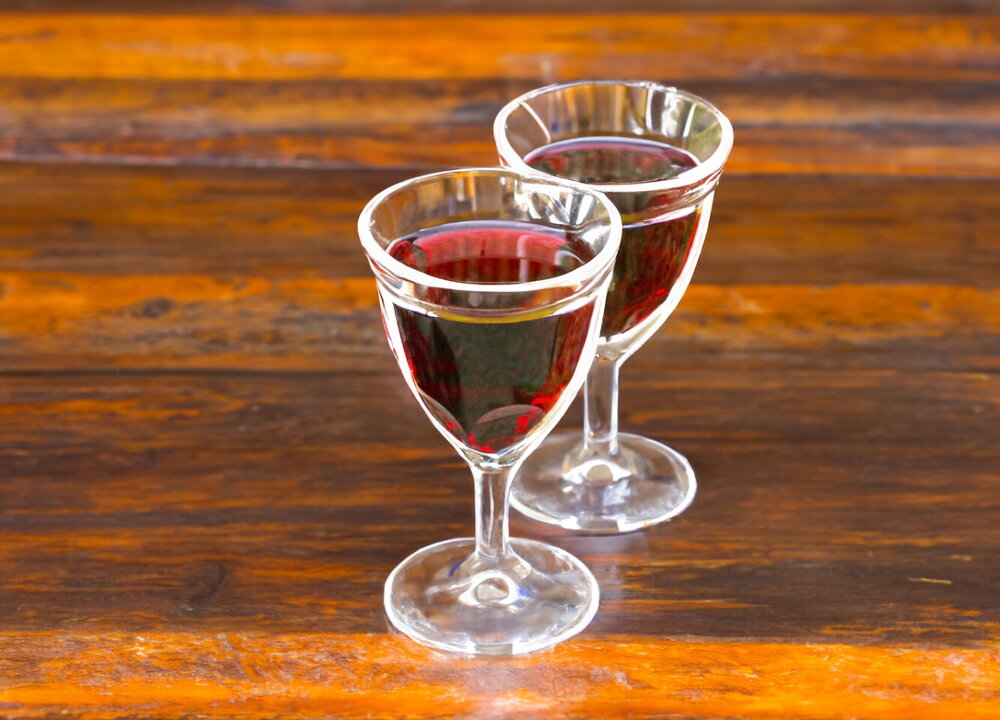
A natural drink with a bright taste is the key to a great evening! Homemade dry red wine contains no sugar. All the fructose in the grape juice is converted during fermentation by natural yeasts. To make this delicious wine you need only grapes and a bit of patience.
Updated : 08 December, 2025
Easy
More than 1 hour.
Ingredients
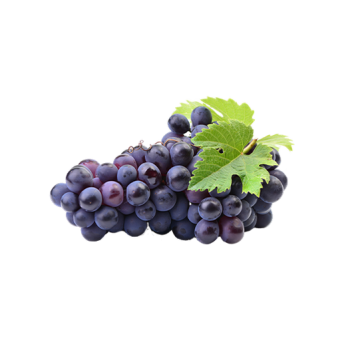
20 kilograms
Grape
Table
Table of volume measurements:
- teaspoon - 5 ml
- dessert spoon - 10 ml
- tablespoon - 20 ml
- glass - 200 ml
Preparation
Step 1
How to make dry red wine from grapes at home? It’s not difficult at all. What grapes are best? You can use any dark grape varieties. The main condition is that the berries should not be too sour, otherwise there may be problems with fermentation.
Step 2
Collect the grape clusters into a dry, clean container. The amount of grapes in the recipe is approximate. It can be 10 kg, 15 kg, or 20 kg.
Step 3
Carefully sort through each berry, separating it from the cluster. Throw away rotten and unripe berries, as they can spoil the taste of the finished drink.
Step 4
Next, the berries need to be crushed without damaging the seeds. It is best to do this by hand. For convenience, put on disposable gloves. I crush the berries in portions - this way you can extract the maximum amount of aromatic juice. The resulting mixture of juice and crushed berries is called “must”.
Step 5
Pour the must into a container with a wide neck and cover the top with gauze. I used a large glass jar. The container should be filled three-quarters full - this is important!
Step 6
Leave the jar for 3-5 days at a temperature of 18-30°C (64-86°F). After a day the pulp (grape skins and seeds) rises to the top, forming a kind of “cap”. So that the wine does not sour, stir the must 2-3 times a day, breaking up this dense “cap” on the surface.
Step 7
After the indicated time, strain the contents of the jars through several layers of gauze. Squeeze the pulp.
Step 8
Pour the resulting grape juice into bottles or demijohns with a narrow neck. Do not pour the juice all the way to the top. Fill the container about 2/3 full, leaving empty space above. The carbon dioxide released during fermentation creates pressure inside the vessels.
Step 9
Install an airlock. I used a medical rubber glove and made a small hole in it with a needle. Leave the containers in a dark room at a temperature of 16-28°C (61-82°F) for 25-50 days. After this time, check the gloves: if they have deflated, the fermentation process is over. The drink will have become slightly lighter in color, and sediment will appear at the bottom.
Step 10
Carefully pour the young wine into bottles, leaving the sediment in the large vessels. Seal the bottles tightly and place them in a cool place for 2-3 months. I store the wine in a cellar where the air temperature is 10-13°C (50-55°F). During this time the wine will mature and improve in taste. Periodically check the bottles: if new sediment appears, the wine should again be poured into clean containers, without disturbing the sediment.
Step 11
Homemade dry wine is ready! You can take the first tasting. Meat steaks, cured sausages, cheeses, fruits and thinly sliced jamón pair perfectly with a glass of dry wine.
Author note
Share the recipe


