
Beef Beshbarmak
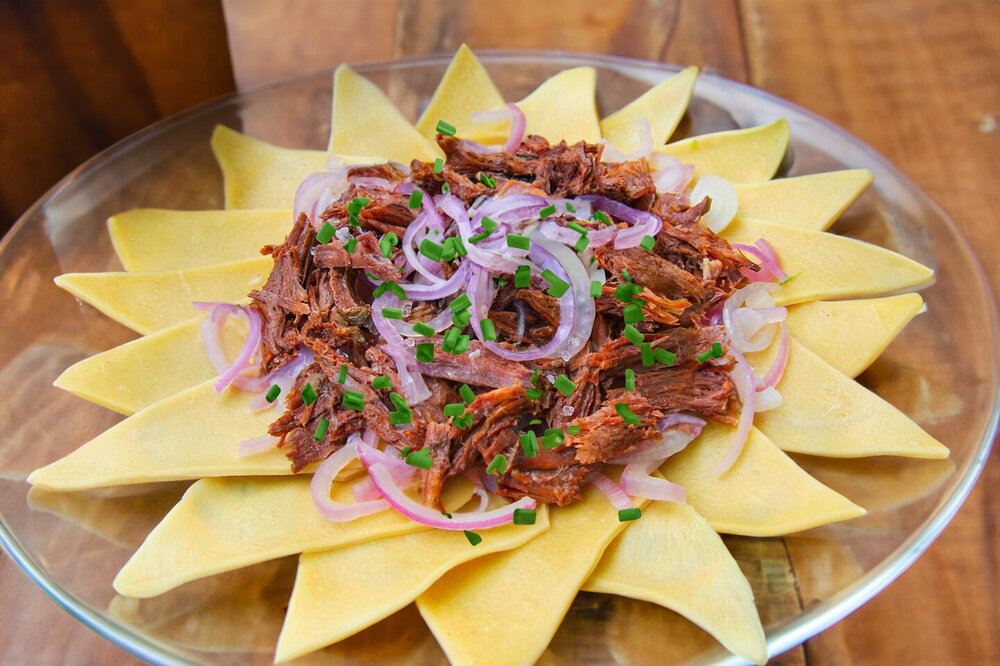
Simple ingredients, easy, original, for dinner! Beef beshbarmak is a traditional Turkic dish with tender meat, homemade noodles, onion, and rich broth with herbs. It’s often made with lamb, but beef is also delicious.
Updated : 04 March, 2026
Easy
More than 1 hour.
Ingredients
300 grams
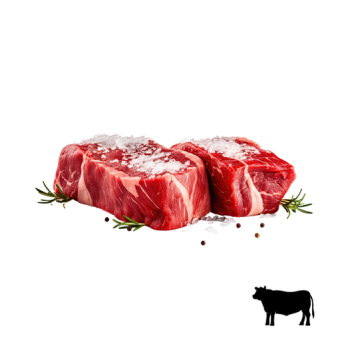
Beef
2
Onions
1
Carrot
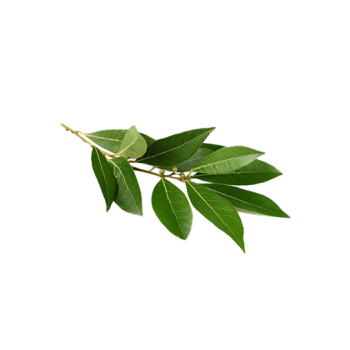
1
Laurel leaf
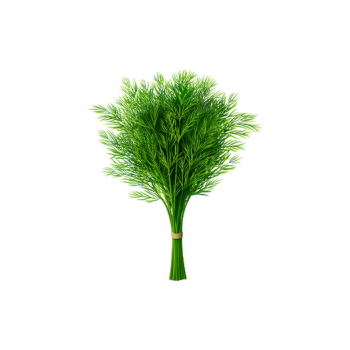
1 teaspoon
Dill
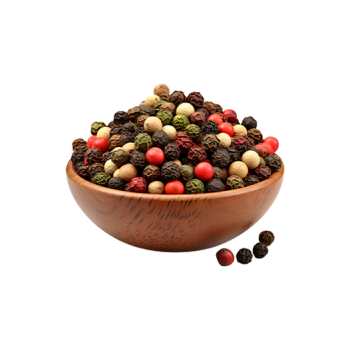
to taste
Peppercorns
to taste
Salt
Dough
200 grams
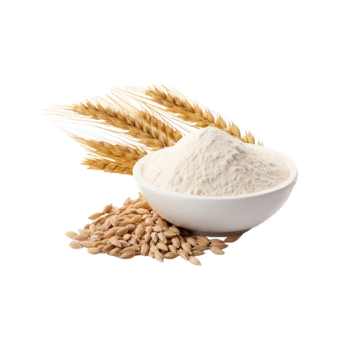
Wheat flour
1
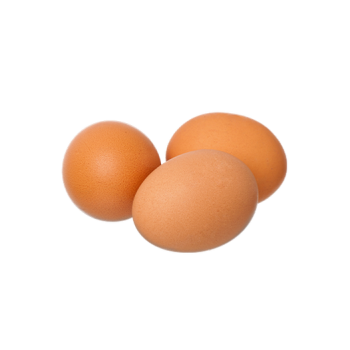
Eggs

50 milliliters
Water
Table
Table of volume measurements:
- teaspoon - 5 ml
- dessert spoon - 10 ml
- tablespoon - 20 ml
- glass - 200 ml
Preparation
Step 1
How to make beef beshbarmak? Prepare all the ingredients. The fattier and better-quality the beef, the tastier (and higher-calorie) the dish will be. You can use a piece on the bone. The success of beshbarmak depends directly on the quality and tenderness of the cooked meat.
Step 2
Rinse the meat under running water and place it into boiling unsalted water. There should be enough water to fully cover the meat. If you have a pressure cooker or a multicooker pressure cooker, definitely use it - then the cooking time will be reduced by at least 50%!
Step 3
Skim off the foam with a tablespoon. As the liquid evaporates, you can add more boiling water to the pot - boiling water only. If you add cold water, the meat will become tough because of the temperature change.
Step 4
Wash and peel the carrot, then cut it into a few pieces. Peel the onion. Add the vegetables to the pot. Add the bay leaf, dill seeds, and peppercorns as well. Salt the broth. Simmer the meat over low heat for about 1.5-2 hours, until tender. The meat should pull into fibers easily with a light press of a spatula. Cooking time depends on the animal’s age, the cut, and the size of the piece.
Step 5
While the meat is cooking, make the noodles. In a bowl, combine sifted premium wheat flour and salt, crack in the egg, and gradually pour in ice-cold water. Knead a stiff dough, like dumpling dough.
Step 6
Divide the dough into 3-4 small pieces - this makes rolling easier.
Step 7
Using a rolling pin (or a pasta machine), roll the dough into sheets no thicker than 1 mm. Cut the dough into large diamonds. It’s said you can judge a Kazakh homemaker’s skill by how thin she can roll the inkal (noodles) with a rolling pin.
Step 8
Lay the inkal on a board or towel so the pieces don’t touch. Leave the noodles to dry until serving time.
Step 9
When the meat is ready, pour 3-4 ladles of broth into a separate saucepan and bring it to a boil. This broth is called surpa. Add thinly sliced onion half-rings to the surpa. I happened to have a hybrid onion: yellow skin and pale purple flesh - but I thought it would look even prettier.
Step 10
Blanch the onion for 3 minutes over low heat until it softens slightly. Don’t cook it fully - it should stay a bit crisp. Transfer the onion to a separate bowl. It’s now waiting its moment. This onion is called tuzduk. It’s needed so the noodles don’t stick together before serving.
Step 11
Add a bit more broth to the same saucepan and boil the noodles over low heat for 7-8 minutes. Usually they’re cooked in batches, 2-3 rounds, so the inkal doesn’t stick during cooking.
Step 12
Arrange the noodles on a serving platter. Lay the onion on top. Save a little onion for garnish.
Step 13
Remove the meat from the broth and pull it into fibers. Traditionally, the meat is chopped fairly finely as a sign of respect for the eldest guests. Place the meat in the center of the platter. Garnish the beshbarmak with the remaining onion and, if desired, fresh herbs. Pour the surpa into bowls and garnish with herbs as well.
Author note
Share the recipe


