
Apples for Winter without Sterilization
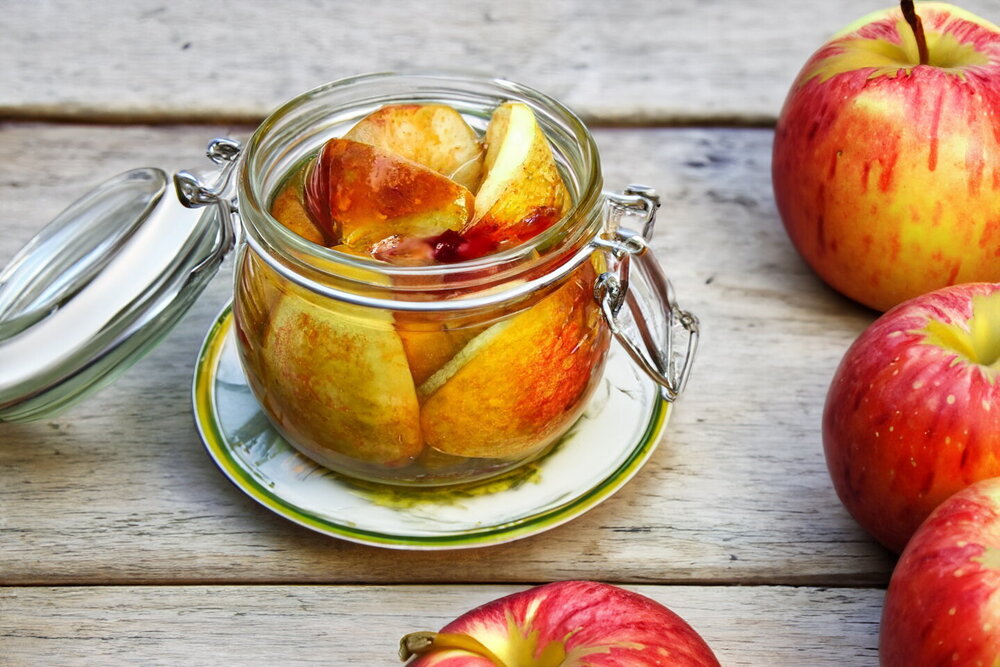
There are no better apples for winter, whether as a snack or a dessert. This is a quick recipe for preserving apples for long storage. No sterilization and no vinegar. Serve these apples with hot meat dishes, grilled meat, or as a snack with strong alcoholic drinks.
Updated : 13 May, 2026
Easy
More than 1 hour.
Ingredients
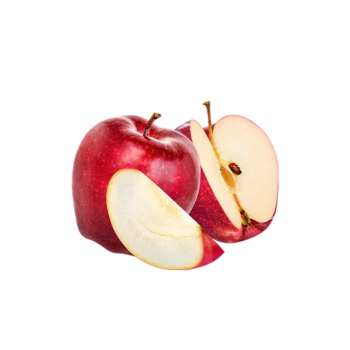
300 grams
Apple
60 grams
Sugar
0.5 teaspoon
Citric acid
200 milliliters
Water
Table
Table of volume measurements:
- teaspoon - 5 ml
- dessert spoon - 10 ml
- tablespoon - 20 ml
- glass - 200 ml
Preparation
Step 1
How do you prepare apples for winter without sterilization? Take sweet-tart apples of about the same size, drinking water from the tap, which we will boil, sugar, and citric acid. The weight of the apples in the ingredients is given already without the cores, in cleaned and prepared form. This amount of ingredients is for one 0.5 liter jar, about 1 pint. If you plan to preserve more, simply increase the amounts of all the ingredients and jars accordingly.
Step 2
Wash the apples, free of scratches and bruises, under running water and cut each one into four parts. With a small sharp knife, remove the stems and the cores with the seeds. You can also preserve the apples in halves. Quartered apples are simply easier to pack into jars.
Step 3
Wash the jars with a brush and baking soda. Pack the apple slices fairly tightly against one another, trying to use all the available space in the jar.
Step 4
Boil plain drinking water in a kettle or saucepan and pour it directly into the jars. The boiling water should be poured only into the center, directly onto the apples, and not onto the glass itself. This is necessary so the jar does not crack from a sudden temperature change.
Step 5
Cover the jars loosely with lids and leave them at room temperature for 20 minutes. During this time, the apples will warm through well.
Step 6
Then pour the water from the jars into a pot or saucepan and place it over medium heat. The apples remain in the jar. Bring the water to a boil and add the sugar. Boil for another 3 minutes, stirring constantly so the sugar dissolves. The syrup is ready.
Step 7
Pour the boiling syrup back into the jars, remembering that boiling liquid should always be poured into the center. Add the citric acid directly into the jar and immediately seal it with the lid. Turn the jar slightly around its axis so the citric acid distributes evenly inside. Do this using a potholder so you do not burn your hands. Wrap the jars in a thick towel and leave them at room temperature to cool.
Author note
Share the recipe


