
Ajapsandali in Jars for Winter
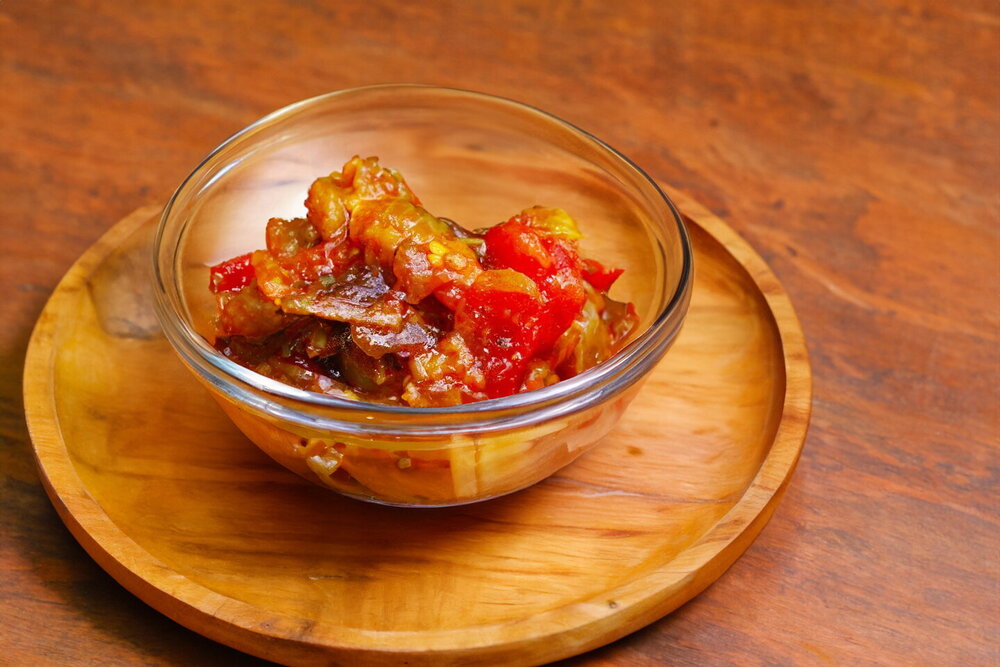
A wonderful eggplant-and-vegetable appetizer for winter! This incredibly fragrant ajapsandali in jars is delicious both cold and hot. Try it with a crust of freshly baked bread! Spread the eggplant salad on baguette slices and serve as a festive appetizer.
Updated : 25 February, 2026
Easy
About 30 min.
Ingredients

1.5 kilograms
Eggplant

750 grams
Tomato

750 grams
Bell pepper
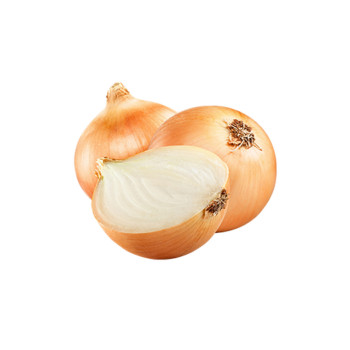
500 grams
Onion
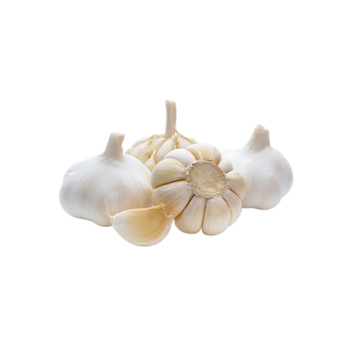
5
Garlic

to taste
Hot chili pepper

1 cup
Vegetable oil
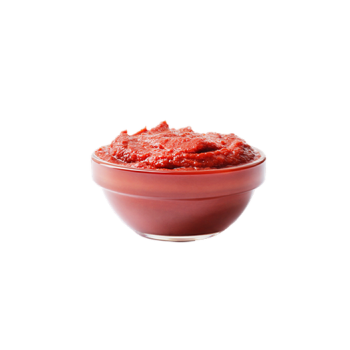
1 tablespoon
Tomato paste
1 tablespoon
Salt
1 tablespoon
Sugar

1 tablespoon
Vinegar
to taste
Cilantro
Table
Table of volume measurements:
- teaspoon - 5 ml
- dessert spoon - 10 ml
- tablespoon - 20 ml
- glass - 200 ml
Preparation
Step 1
How to preserve ajapsandali for winter? First, prepare all the main ingredients. Wash the vegetables thoroughly and rinse them together with the cilantro under running water.
Step 2
Cut the stems off the eggplants on both ends, then slice the eggplants into rounds about 7-8 mm thick.
Step 3
Sprinkle the eggplants with coarse salt, mix everything, and leave for 20 minutes. This will help you use less vegetable oil later when frying the slices.
Step 4
Meanwhile, prepare the sauce. Remove the stem ends from the tomatoes. Slice the tomatoes into rounds or half-moons about 5-7 mm thick, then put them into a small pot and add the tomato paste. The paste will give the dish a richer color and a pleasant tang. Cook the tomatoes on the stove, stirring occasionally, over medium heat for about 20 minutes.
Step 5
The tomatoes will release juice and you’ll get a fragrant sauce. Cover the pot with a lid, remove from the heat, and let it infuse while you prepare the other vegetables.
Step 6
Peel the onion, rinse it, and slice thinly.
Step 7
Cut the bell pepper in half, remove the seeds, white membranes, and the stem area. Slice it into thin half-rings. Use red pepper or peppers of different colors so the finished dish looks brighter and more appetizing.
Step 8
By now the eggplants have rested. Rinse off the salt with cold water and squeeze the eggplants well. Heat vegetable oil in a frying pan and fry the eggplant slices on both sides until golden. Do this in batches. For convenience and to save time, you can use a second pan. Add more oil as needed while frying. Place the finished slices on paper towels to absorb excess fat.
Step 9
Fry the pepper in the same oil left after the eggplants. Cook, stirring occasionally, until the pepper becomes soft.
Step 10
Remove the pepper from the pan and fry the onion until lightly golden.
Step 11
Slice the hot pepper into rings and lightly fry it. Adjust the amount of chili to taste. If you like it hotter, use several pods and keep the seeds (they add a characteristic bitterness). If you don’t like heat in dishes like this, omit the chili entirely.
Step 12
Combine all ingredients in one large bowl or pot. Add salt, sugar, chopped cilantro, and garlic pressed through a garlic press. I used Adyghe salt (it contains dried spices), which made the ajapsandali more aromatic. At this stage you can also add a little dried basil, khmeli-suneli, etc. Add salt in portions - tastes vary, and 1 tablespoon may be too much for you.
Step 13
Put the pot on the stove. Cook over medium heat for about 20-25 minutes (the ajapsandali should be gently bubbling the whole time). Stir the vegetable stew occasionally so nothing burns. At the end, pour in the vinegar and cook for another 3-5 minutes. Cooking time may vary slightly - watch so the vegetables don’t turn into mush.
Step 14
Spoon the finished stew into sterile jars and seal with sterile lids. Turn the jars upside down, wrap them in a warm blanket, and leave until completely cool.
Step 15
A very tasty and aromatic Georgian ajapsandali is ready!
Author note
Share the recipe


