
The Ultimate Spice-Paste Prep: Ginger-Garlic-Onion Blends You Freeze in Cubes
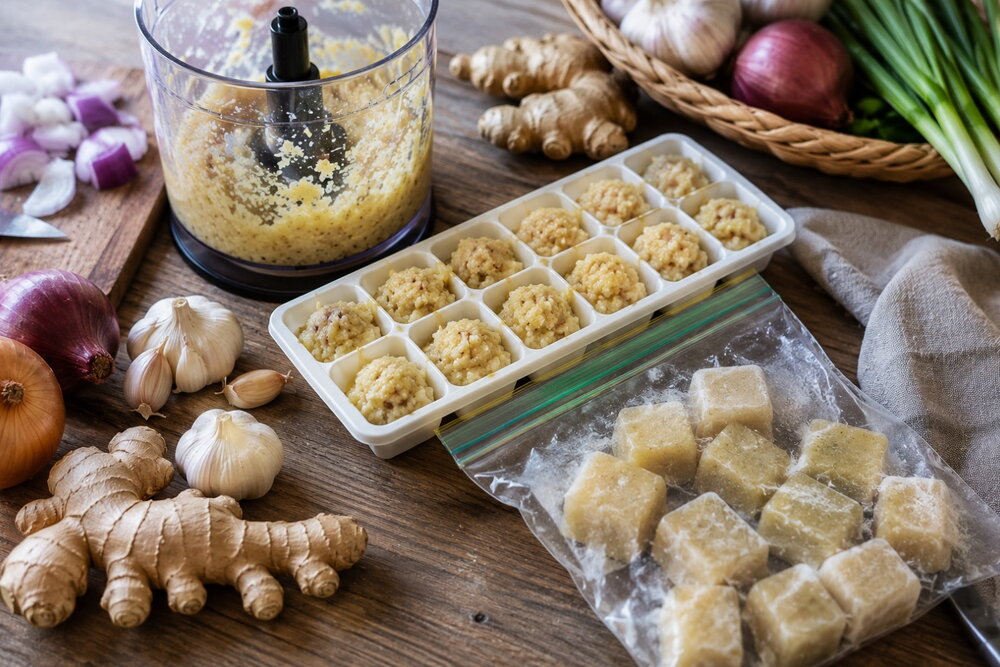
There are a few kitchen habits that make everyday cooking feel dramatically easier, and one of the smartest is keeping a proper spice paste ready to go. Not a random watery blend you made once and forgot in the fridge. A concentrated, useful, flavor-building base you actually reach for: ginger, garlic, onion, sometimes spring onion, chili, herbs, or a little oil — blended, portioned, frozen, and ready to drop straight into the pan.
This is the kind of prep that saves real time.
It means fewer rushed peels, less chopping at the worst possible moment, and a much easier start to soups, stews, rice dishes, sauces, braises, stir-fries, and quick weeknight meals. Instead of beginning every dish from scratch, you begin from momentum.
Here is how to make ginger-garlic-onion spice pastes you freeze in cubes, how to keep them useful, and which blend styles are worth making.
Why Spice-Paste Cubes Are So Useful
The best thing about frozen spice paste is not just convenience. It is consistency.
If you cook often with aromatics, you already know how many dishes begin with some version of:
- onion
- garlic
- ginger
- pepper
- herbs
- spring onion
Blending those into a paste and freezing them in portions means the first flavor layer of dinner is already handled. That matters more than people think, because the first flavor layer often decides whether a dish tastes flat or properly built.
Spice-paste cubes are especially useful for:
- stews
- soups
- jollof and rice bases
- braises
- quick tomato sauces
- beans
- stir-fries
- marinades
- roast chicken prep
- one-pot dinners
They are not glamorous, but they are elite.
What Makes a Good Freezer Spice Paste?
A good freezer paste should be:
- flavorful
- concentrated
- not too watery
- easy to portion
- flexible enough for multiple dishes
That last point matters. If the paste is too specific, it only works for one kind of recipe. If it is balanced and smart, it becomes a kitchen shortcut for dozens of meals.
The ideal cube should melt quickly in the pan, smell like instant progress, and save you from chopping five things at once on a Tuesday.
The Basic Formula
The core structure is simple:
aromatic vegetables + roots + optional heat + optional herbs + a little oil
The most useful base starts with:
- onion
- garlic
- ginger
From there, you can build different versions depending on your cooking style.
1. The Classic Ginger-Garlic-Onion Cube
This is the all-purpose workhorse.
Use it for:
- stews
- soups
- curry-style dishes
- sauces
- beans
- chicken
- rice
- braises
A reliable ratio is:
- more onion for body
- solid garlic for depth
- enough ginger to stay noticeable, but not dominate
This version is the one to keep if you only want one tray of cubes in the freezer.
Best for: everyday cooking, especially savory dishes that need a strong aromatic base.
2. Ginger-Garlic-Scallion Blend
This is a fresher, brighter version with more lift. Spring onion gives it a greener, slightly lighter flavor that works especially well in quicker dishes.
Use it for:
- stir-fries
- fried rice
- quick noodle dishes
- pan sauces
- grilled chicken or fish marinades
- lighter soups
It feels a little cleaner and sharper than onion-heavy versions.
Best for: fast cooking, lighter dishes, and recipes where you want aromatics without too much sweetness from onion.
3. Onion-Garlic-Pepper Base
This one leans more savory and spicy. Adding fresh pepper gives you a cube that starts meals with more attitude and less need for separate chopping later.
Use it for:
- pepper stews
- braised meats
- tomato sauces
- roast chicken
- beans
- spicy soups
This is especially useful if your cooking often begins with onion, garlic, and heat all together.
Best for: bold savory dishes and meals where chili belongs from the start.
4. Ginger-Garlic-Onion-Herb Paste
A little parsley, coriander, celery leaf, or thyme can make a freezer blend feel fuller and more aromatic, especially for marinades and roast dishes.
Use it for:
- chicken marinades
- fish
- oven roasts
- braises
- soups
- light sauces
Be careful not to overload delicate herbs if you want long freezer flexibility. Stronger herbs usually hold up better.
Best for: marinade-friendly cooking and dishes that want a more rounded aromatic base.
5. Ginger-Garlic Chili Paste
This one strips things back and goes stronger. It is less about onion body and more about heat, sharpness, and intensity.
Use it for:
- quick stir-fries
- dipping sauce starters
- spicy noodles
- grilled meat rubs
- seafood
- finishing sauces
This is not always the most universal version, but it is very useful in small doses.
Best for: spicy food lovers and dishes where you want punch quickly.
Should You Add Oil?
A little oil can help the paste blend more smoothly and freeze with a nicer texture. It can also help the cube hit the pan without sticking immediately.
But too much oil can make the cubes softer, messier, and less clean to portion.
The best approach is usually:
- just enough oil to help blending
- not so much that the paste turns loose or greasy
You want spoonable thickness, not dressing.
Should You Add Water?
Only if absolutely necessary.
Water makes blending easier, but it also:
- dilutes flavor
- creates icier cubes
- increases splatter in the pan
- takes longer to cook down
A better approach is to use ingredients with their own moisture first, especially onion. If you need help blending, add just a tiny amount of water or oil, not a whole splash-by-instinct situation.
The less watery the paste, the better the cube.
Texture Matters
Do not blend the paste into total liquid unless that is truly what you want. A slightly textured paste often cooks better, smells better in the pan, and feels more concentrated.
Too smooth can mean:
- too much water
- too much blending
- less character
- slower cook-off
A coarse, thick paste usually gives the best freezer result.
How to Freeze It Properly
The simplest method is:
- Blend the paste.
- Spoon it into an ice cube tray or silicone mold.
- Freeze until solid.
- Pop the cubes out and store them in a freezer bag or airtight container.
Silicone trays usually work best because the cubes release more easily.
A few smart habits:
- label the batch
- note the type if you make different styles
- freeze in useful portion sizes
- store flat for easy grabbing
This turns random frozen paste into something you will actually use.
What Size Cube Is Best?
That depends on how you cook, but generally:
- small cubes are best for flexibility
- medium cubes are best for stews, sauces, and soup bases
- larger cubes can work for marinades or bigger family meals
A small cube is easier to double than to undo. So when in doubt, freeze smaller portions and use two when needed.
How to Use the Cubes
The easiest way is to drop a cube straight into hot oil or a warm pan at the start of cooking. Let it melt, sizzle, and cook down before adding the next ingredients.
You can also:
- thaw and rub into meat
- stir into soups
- add to beans
- melt into tomato sauce
- use in fried rice or stir-fry
- mix into yogurt or spice marinades
One important thing: cook it properly. A frozen aromatic cube still needs time to fry, soften, and lose rawness before the dish moves on.
What Not to Put in Every Batch
Some ingredients are better added fresh later instead of blended into every freezer cube.
Use caution with:
- too much fresh lemon or lime juice
- delicate basil-type herbs
- large amounts of tomato
- dairy
- already-cooked ingredients
- very watery vegetables unless the cube is meant for that
If you add too many extras, the paste becomes less versatile and less stable.
Keep the cube focused. Let the rest of the dish bring the rest of the personality.
Best Cube Styles by Use
For soups and stews
onion + garlic + ginger + pepper
For fried rice and stir-fries
ginger + garlic + spring onion
For roast chicken or fish
onion + garlic + ginger + herbs
For beans and braises
onion + garlic + ginger + chili
For quick sauces
onion + garlic + ginger, with a little oil
That way the freezer setup supports your actual cooking habits instead of turning into frozen theory.
How Long They Keep
Frozen spice paste keeps well for a good stretch when stored airtight and used cleanly, but it is best when the aromatics still smell lively and strong. The exact timing depends on ingredients and freezer conditions, but the general goal is not “forever.” It is “flavorful enough that it still saves the day.”
If the cubes start smelling dull, freezer-burned, or weak, they are no longer helping much.
The Biggest Mistakes
The first is adding too much water.
The second is blending everything into thin soup.
The third is making a batch so specific you never reach for it.
The fourth is freezing without labeling.
The fifth is forgetting to cook the cube properly once it hits the pan.
The whole point is making cooking easier, not giving yourself frozen mystery blocks.
A Smart Weekly Prep Habit
A really useful rhythm is to make one main versatile batch and one more specialized batch.
For example:
- one tray of classic ginger-garlic-onion
- one tray of ginger-garlic-scallion or pepper blend
That gives you enough range without overcrowding the freezer with five barely different cubes.
Final Spoonful
Frozen spice-paste cubes are one of the best kitchen shortcuts because they solve the exact part of cooking that slows people down most: the beginning. Once onion, garlic, ginger, and friends are already blended, portioned, and waiting, meals start faster and flavor builds earlier.
That is what makes the whole system worth it.
Not because it is trendy.
Because it makes real cooking easier.