
The Sheet-Pan Bible: Proteins, Veg & Sauces That Don’t Dry Out
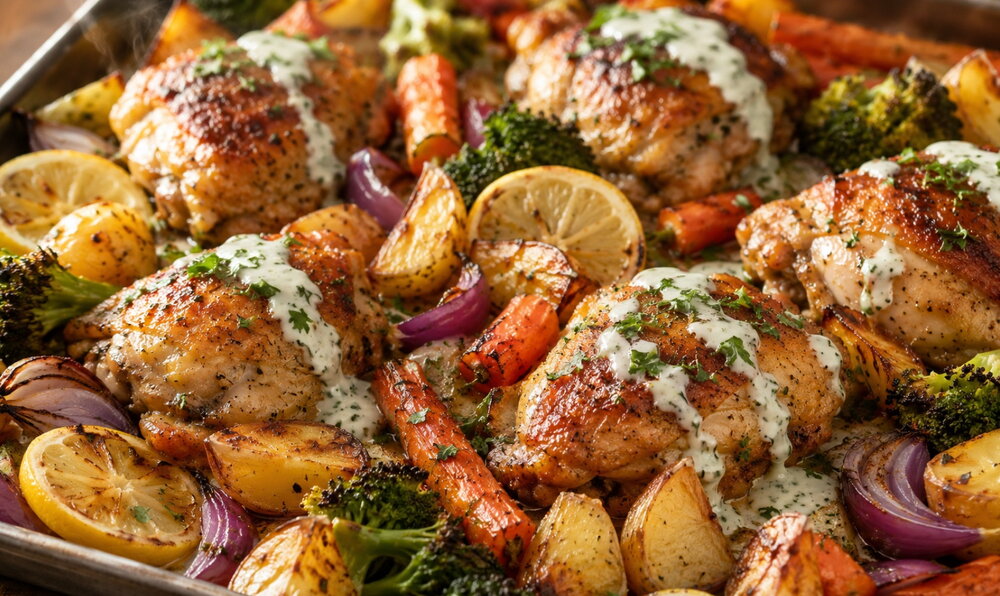
Sheet-pan cooking has one big promise: dinner with less effort, less cleanup, and fewer moving parts. But anyone who has made a disappointing tray of dry chicken, limp vegetables, or burnt sauce knows the truth — sheet-pan meals are only easy when the timing, pairing, and moisture levels are right.
That is the whole game.
A great sheet-pan meal is not just “put everything on one tray and hope for the best.” It is about matching ingredients that cook at roughly the same speed, giving proteins enough protection from drying out, and using sauces and marinades in ways that add flavor without burning before dinner is ready.
Done properly, sheet-pan cooking can give you juicy chicken, caramelized vegetables, crisp edges, glossy sauces, and a complete meal from one pan.
Here is your sheet-pan bible: the proteins, vegetables, and sauce strategies that actually work — especially if you want dinner that stays moist and tastes intentional.
What Makes a Good Sheet-Pan Meal?
The best sheet-pan dinners usually get four things right:
- ingredients with similar cooking times
- enough fat or marinade to protect against dryness
- vegetables spaced well enough to roast, not steam
- sauces added at the right stage, not dumped on too early
Once you understand those four rules, almost any tray becomes easier to build.
Rule 1: Not Everything Belongs on the Tray at the Same Time
This is the mistake that ruins most sheet-pan dinners.
Fast-cooking vegetables and delicate proteins do not need the same amount of time as potatoes, dense carrots, or bone-in chicken. If everything starts together, something will end up undercooked, burnt, or dry.
The smarter approach is to think in waves:
- long-cooking items first: potatoes, carrots, bone-in chicken, sausages
- medium-cooking items next: broccoli, cauliflower, peppers, salmon
- quick items last: shrimp, asparagus, green beans, cherry tomatoes, tender sauces
Sheet-pan cooking gets much better the moment you stop treating the tray like a democracy.
The Best Proteins for Sheet-Pan Cooking
Some proteins are naturally better at surviving dry oven heat than others.
1. Chicken thighs
This is the sheet-pan hero. Chicken thighs stay juicier than breasts, handle bold seasoning well, and roast beautifully beside vegetables.
Best with: potatoes, carrots, onions, cabbage wedges, broccoli, peppers.
Why they work: more fat, more forgiveness, better browning.
2. Chicken breasts
These can work well, but they need more protection. Use marinade, do not overcook them, and pair them with vegetables that finish quickly enough not to keep the tray in the oven forever.
Best with: zucchini, peppers, green beans, cherry tomatoes.
Why they dry out: lean meat plus too much oven time.
3. Sausages
Sausages are naturally sheet-pan friendly because they bring their own fat and flavor. They also season nearby vegetables as they roast.
Best with: onions, peppers, potatoes, cabbage, fennel, mushrooms.
Why they work: built-in moisture and strong flavor.
4. Salmon
Salmon is one of the best fast proteins for a tray dinner, but it should usually go on later than dense vegetables. It roasts quickly and stays tender if not overdone.
Best with: asparagus, green beans, cherry tomatoes, broccoli, lemon slices.
Why it works: fast cooking, rich texture, loves glazes.
5. Shrimp
Shrimp is excellent for sheet-pan meals, but only as a late addition. It needs very little time and dries out fast if left too long.
Best with: peppers, corn, zucchini, cherry tomatoes, onions.
Why it works: quick, flavorful, weeknight-friendly.
6. Meatballs or kofta
These are a clever option because the mixture usually contains enough fat, onion, or breadcrumbs to stay moist. They also roast well beside vegetables without needing much fuss.
Best with: peppers, onions, aubergine, courgette, potatoes.
Why they work: built-in protection against dryness.
Vegetables That Roast Well Without Turning Sad
Not every vegetable is a sheet-pan winner. The best ones either caramelize nicely or hold structure long enough to roast properly.
Best sturdy vegetables
- potatoes
- sweet potatoes
- carrots
- cauliflower
- broccoli
- onions
- cabbage wedges
- Brussels sprouts
- butternut squash
These handle high heat well and can roast alongside richer proteins.
Best medium-speed vegetables
- bell peppers
- courgette
- aubergine
- mushrooms
- green beans
- fennel
These are great, but usually do best when added after dense vegetables have had a head start.
Best quick-finish vegetables
- asparagus
- cherry tomatoes
- spinach added after roasting
- spring onions
- thin courgette slices
These are for the last stretch, not the full oven session.
The Pairings That Actually Make Sense
A sheet-pan dinner becomes much easier when the ingredients belong together in flavor and timing.
Chicken thighs + potatoes + carrots + onions
Classic for a reason. All of it loves strong seasoning and enough time to roast deeply.
Salmon + broccoli + green beans + lemon
Fast, bright, and easy to glaze without becoming heavy.
Sausages + peppers + onions + baby potatoes
Very reliable, very low-effort, very weeknight-proof.
Shrimp + corn + peppers + courgette
Summer-style tray dinner with a quick sauce added near the end.
Meatballs + aubergine + peppers + red onion
Excellent with yogurt sauce, tahini, or tomato drizzle after roasting.
How to Keep Proteins from Drying Out
This is the heart of the whole article.
Use fat on purpose
Oil is not just there to prevent sticking. It helps transfer heat, encourages browning, and protects lean foods from drying out too quickly.
Marinate smartly
A good marinade adds moisture insurance. Yogurt, mayo, mustard, olive oil, and citrus zest all help more than thin watery marinades that slide off and burn.
Do not over-roast lean proteins
Chicken breast, shrimp, and fish do not need heroic oven time. Pull them once they are just done.
Use bigger pieces when possible
Small cubes dry out faster than whole thighs, cutlets, or larger fillets.
Rest after roasting
A few minutes of resting helps juices settle instead of running out immediately.
The Best Sauces for Sheet-Pan Dinners
Sauce timing matters more than people think. Some sauces belong at the beginning. Some should wait until the end.
Sauces that work well before roasting
These usually contain enough fat or thickness to cling well and protect the food:
Yogurt marinades
Great for chicken, especially thighs. Yogurt helps tenderness and browning without making the tray watery.
Mustard and olive oil
Excellent for chicken, sausages, potatoes, and salmon. Sharp, easy, and unlikely to burn too fast.
Mayo-based coatings
Surprisingly effective for chicken or salmon. Mayo helps retain moisture and gives a glossy finish.
Pesto thinned with oil
Works well on chicken or vegetables, though it is often better added midway or toward the end so the herbs do not darken too much.
Sauces better added later
These are often sweeter, more delicate, or more likely to burn.
Honey garlic
Very good, but usually better brushed on toward the end.
Teriyaki-style glazes
Sugar-heavy sauces darken fast, so they need timing.
Barbecue sauce
Best added in the final stretch unless you want bitter edges.
Lemon butter
Better as a finishing drizzle than a full roasting sauce.
Tahini sauce or yogurt sauce
Definitely post-oven. These are finishing moves, not baking liquids.
Sauce Styles That Help Everything Taste Better
1. Lemon-herb yogurt sauce
Best for chicken, potatoes, roasted carrots, and spiced trays.
2. Green sauce
Parsley, coriander, garlic, olive oil, maybe lemon. Excellent for salmon, shrimp, and chicken.
3. Tahini-lemon drizzle
Perfect with roast cauliflower, aubergine, chicken, or meatballs.
4. Hot honey
A little sweetness plus heat can rescue a simple tray of sausages, carrots, or chicken.
5. Garlic butter
Best added after roasting to bring back richness and gloss.
The Biggest Sheet-Pan Mistakes
1. Overcrowding the tray
Crowded vegetables steam instead of roast. That means pale food, soggy edges, and less flavor.
2. Using watery vegetables without thinking
Courgette, mushrooms, and tomatoes release moisture. Pair them wisely and do not let them flood everything else.
3. Putting sweet sauce on too early
Honey, barbecue sauce, and sugary glazes burn fast.
4. Chopping everything the same size
That sounds logical, but it is not always helpful. Dense vegetables may need smaller pieces, while quick-cooking vegetables should stay larger so they do not collapse.
5. Expecting one timing to suit everything
A tray is still a recipe. It still needs sequencing.
Easy Sheet-Pan Formula to Follow
A practical formula looks like this:
1 protein + 2 sturdy vegetables + 1 faster vegetable + 1 finishing sauce
For example:
- chicken thighs
- potatoes
- carrots
- broccoli added later
- lemon yogurt sauce at the end
Or:
- salmon
- baby potatoes started first
- green beans
- cherry tomatoes late
- herb sauce after roasting
That kind of structure keeps dinner simple without making it random.
A Few Reliable Sheet-Pan Combos
Cozy tray
Chicken thighs + carrots + red onion + potatoes + mustard-herb coating
Bright tray
Salmon + broccoli + lemon + green beans + dill yogurt sauce
Smoky tray
Sausages + peppers + onions + sweet potatoes + hot honey finish
Mediterranean tray
Meatballs + courgette + aubergine + red onion + tahini drizzle
Fast weeknight tray
Shrimp + corn + peppers + cherry tomatoes + garlic butter finish
Final Tray
A good sheet-pan dinner is not magic. It is timing, spacing, fat, and sauce strategy. Choose proteins that can handle the oven, pair them with vegetables that roast at a similar pace, and save delicate sauces for when they will do the most good instead of the most damage.
That is how you get juicy meat, caramelized vegetables, and a tray that tastes like an actual plan — not just a panic dinner on metal.