
Sobolo (Hibiscus) Lab: Spice Combos, Less-Sugar Versions, Chilling & Bottling Tips
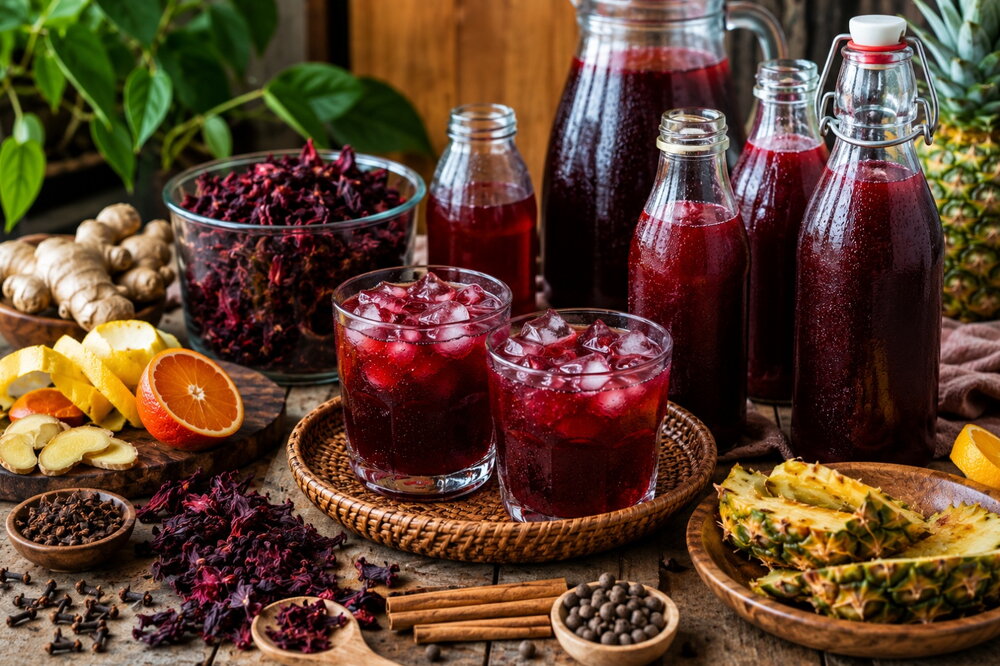
Sobolo is one of those drinks that can be many things at once. It can be deep and spicy, bright and citrusy, clove-heavy and warming, or light, cold, and refreshing straight from the fridge. It can be party drink, everyday cooler, roadside pleasure, or homemade batch in reused bottles lined up neatly in the kitchen.
That is also why sobolo is worth experimenting with.
A good batch is not just “hibiscus boiled with sugar.” The best ones have structure: tartness from the leaves, warmth from spices, enough sweetness to balance without turning syrupy, and a finish that makes you want another sip. Once you understand that balance, you can make sobolo that tastes richer, fresher, cleaner, or more grown-up — depending on what you want.
Here is your sobolo lab: how to play with spice combinations, make less-sugar versions that still taste good, and chill and bottle it properly so it stays delicious.
What Makes Sobolo Taste Good?
At its core, sobolo works because of contrast.
You have:
- tartness from dried hibiscus
- warmth from spices
- sweetness to round it out
- optional brightness from citrus or fruit
- cold temperature to make it refreshing
The best batches do not lean too hard on just one part. Too sour, and it feels harsh. Too sweet, and it tastes flat. Too much clove or ginger, and it starts overpowering the hibiscus instead of supporting it.
The goal is balance — not just intensity.
1. Start with a Strong Base
A weak sobolo can never be rescued properly. Start by making a base that actually tastes like hibiscus.
Wash the dried hibiscus if needed, then simmer it with your chosen spices long enough to pull out proper color and depth. You want a deep ruby drink with enough tartness to hold up once chilled and sweetened.
Good base ingredients:
- dried hibiscus petals
- fresh ginger
- cloves
- cinnamon
- grains of selim or prekese if you like deeper local spice notes
- pineapple peel or orange peel for extra dimension
A strong base gives you more control later, especially if you want to dilute slightly with ice or soda.
2. Try Different Spice Directions
Sobolo does not have to taste the same every time. Once the hibiscus base is there, you can change the whole mood of the drink through spices.
Classic warming blend
- ginger
- cloves
- cinnamon
This is the familiar, comforting version. Reliable, bold, and crowd-friendly.
Bright citrus blend
- ginger
- orange peel
- lemon peel
- a little cinnamon
This version feels fresher and lighter, especially when served cold.
Deep, grown-up blend
- ginger
- cloves
- prekese
- grains of selim
- a strip of orange peel
This gives the drink a darker, more layered taste that feels less sugary and more complex.
Fruity soft-spice blend
- ginger
- pineapple peel
- cinnamon
- a few cloves
This is a great middle ground: bright, slightly tropical, and easy to like.
Extra-gingery sharp blend
- lots of fresh ginger
- minimal clove
- optional lime peel
For people who like sobolo with real bite.
3. Do Not Let One Spice Hijack the Drink
Sobolo can go wrong fast when one spice dominates everything.
Common problems:
- too much clove: tastes medicinal
- too much ginger: harsh and throat-burning
- too much cinnamon: starts tasting like spiced tea
- too much prekese: can get heavy and woody
Hibiscus should still be the main character. The spices are there to shape the drink, not bury it.
A good rule: start lighter than you think, then build on the next batch.
4. How to Make Less-Sugar Sobolo That Still Tastes Good
A lot of homemade sobolo becomes sugar-dependent because the tartness is strong and the spice balance is not doing enough work. The fix is not only “remove sugar.” It is build more flavor so less sugar still feels satisfying.
Ways to reduce sugar without making it sad:
- increase ginger slightly for more punch
- add orange or pineapple peel for natural roundness
- use a little fresh juice at the end for brightness
- chill it very well, because colder drinks often taste more balanced
- sweeten in stages instead of dumping in a lot at once
When sobolo is flavorful enough, it can taste complete with much less sugar than people expect.
5. Better Sweetener Strategies
You do not have to sweeten every batch the same way.
Options:
- white sugar for the most familiar clean sweetness
- honey for a softer, floral note
- pineapple or orange juice for fruitier sweetness
- a small amount of condensed sweetener only if you want a richer style
- no sweetener in the base, then let people sweeten their own glass
One of the smartest methods is to make a strong unsweetened concentrate, then sweeten by portion. That way:
- the batch keeps better
- everyone can adjust to taste
- you do not get stuck with one overly sweet result
6. Less-Sugar Flavor Ideas That Actually Work
If you want sobolo that tastes refreshing rather than syrupy, these combinations work especially well:
Ginger + orange peel + modest sugar
Fresh, sharp, and easy to drink cold.
Hibiscus + pineapple peel + cinnamon
A slightly fruity version that needs less added sugar.
Hibiscus + lime + ginger
Very bright and tart, good for people who like sharper drinks.
Hibiscus + clove + orange + honey
Warmer and deeper, but still not overly sweet.
Hibiscus + sparkling water at serving time
A good way to stretch sweetness and make the drink feel lighter.
7. Chill It Properly
Sobolo always tastes better fully cold. Not “slightly cool.” Properly chilled.
That is because cold helps:
- soften the perception of sweetness
- make the tartness feel cleaner
- bring the spices into better balance
- turn it from “hot herbal drink” into a refreshing one
Best chilling method:
- Strain it well first.
- Let it cool at room temperature.
- Refrigerate in a covered container.
- Serve only when fully cold.
Do not bottle it piping hot and close it immediately unless you are intentionally doing careful hot-fill preservation. For everyday use, let it cool first so you do not create weird condensation, diluted flavor, or storage issues.
8. Strain It Well
A gritty sobolo is never as good as a clean one.
After simmering, strain out:
- hibiscus petals
- ginger fibers
- cloves
- peel
- any woody spices
Then strain again through a finer sieve or cloth if you want a smoother finish. This matters even more if you plan to bottle it.
A clean drink tastes more polished and stores better.
9. Bottling Tips That Make a Difference
If you are bottling sobolo for the fridge, cleanliness matters a lot.
Good bottling habits:
- use very clean bottles
- rinse bottles well and let them dry properly
- strain the drink thoroughly before filling
- leave a little space at the top
- label if you are testing different versions
- refrigerate after bottling
Glass bottles usually feel nicer and keep the drink colder longer, but clean plastic bottles work for casual home use too.
If you are making multiple test batches, label them by style:
- classic spice
- extra ginger
- low sugar
- pineapple peel
- citrus version
That makes it much easier to learn what you actually like.
10. How Long It Keeps
For a homemade fridge batch, freshness matters. Sobolo tastes best when the flavor is still lively and the spices are bright.
A well-strained, refrigerated batch in clean bottles will usually hold up for a few days, but the exact life depends on ingredients, sugar level, cleanliness, and storage temperature. Fresh fruit juice mixed in can shorten that window.
To help it keep better:
- strain thoroughly
- keep it cold
- use clean bottles
- avoid dipping used cups into the bottle
- add fresh citrus juice closer to serving time rather than long before storage
When in doubt, trust smell, taste, and appearance. If it smells off, fizzy in an unintended way, or dull and strange, let it go.
11. Party-Style Serving Ideas
Sobolo can be served more than one way.
For everyday drinking:
serve it icy cold, plain, in a glass bottle or tumbler
For parties:
add orange slices, lots of ice, maybe mint if you want it prettier
For a lighter version:
top with soda water or sparkling water
For a more adult-feeling version:
serve in smaller glasses with less sweetness and more spice
For kids:
make a fruitier, softer-spiced version with less clove and more pineapple
A Simple Sobolo Testing Method
If you want to really improve your recipe, stop changing everything at once.
Try this:
- make one base
- divide it into smaller portions
- sweeten each one differently
- test one with more ginger
- one with citrus peel
- one with pineapple peel
- one with almost no sugar
That way you can actually taste what each change does.
This is how you build a house recipe instead of guessing every time.
Easy Sobolo Style Ideas to Try
1. Classic roadside-style
ginger, clove, cinnamon, sugar
2. Sharp and fresh
ginger, orange peel, light sugar
3. Deep and spiced
ginger, prekese, grains of selim, modest sweetness
4. Fruity low-sugar
pineapple peel, ginger, little sugar
5. Sparkling sobolo
strong chilled sobolo topped with sparkling water and citrus
The Biggest Mistake to Avoid
Do not treat sweetness as the only way to make sobolo pleasant.
The best sobolo does not win because it is the sweetest. It wins because it is balanced: tart, cold, fragrant, and just sweet enough.
Too much sugar flattens everything.
Good spice balance brings it back to life.
Final Sip
Sobolo is one of the easiest drinks to personalize once you understand its structure. Start with a strong hibiscus base. Use spices with intention. Reduce sugar by building more flavor, not by making the drink weak. Chill it properly. Bottle it cleanly. Taste and adjust like a lab, not a lottery.
Because the best sobolo is not just red and cold.
It is bright, spiced, refreshing, and unmistakably worth making again.