
Okra “Draw” Secrets: How to Get the Perfect Stretch (and When to Avoid It)
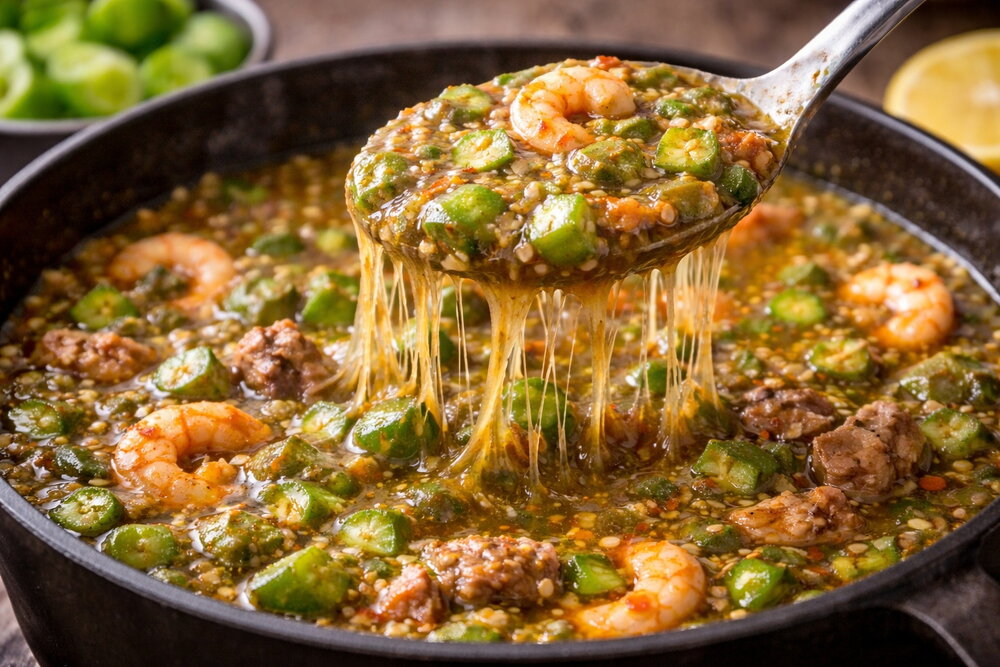
Okra is one of the most polarizing ingredients on the internet. Some people want it extra stretchy (the famous “draw”), and some people want it as low-slimy as possible.
Here’s the truth: you can control it. The “draw” isn’t random—it’s technique.
First: what causes the “draw”?
Okra contains natural mucilage. When it’s cut and meets moisture + agitation, it releases more of that gel—creating the stretchy texture.
So the draw goes up with:
-
More chopping
-
More stirring
-
More simmer time
-
More water/steam
And it goes down with:
-
High heat, dry cooking
-
Bigger pieces
-
Less stirring
-
Acid (lemon/tomato/vinegar)
How to get the PERFECT draw (stretchy, not watery)
1) Choose the right okra
-
Small to medium pods = tender + better texture
-
Very big pods can be tougher and sometimes overly fibrous.
2) Chop it fine (yes, finer = more draw)
-
Slice thin rounds or finely chop.
-
For maximum stretch: chop, then lightly pound or mash a portion.
3) Use less water than you think
A common mistake is making okra soup too watery—then the draw feels weak.
Rule: start thick. You can always loosen later.
4) Stir… but strategically
-
Stir more in the beginning to “wake up” the draw.
-
Then reduce stirring and let it simmer gently so it thickens instead of turning thin.
5) Add a “draw booster”
Pick one:
-
Grounded/mashed okra (blend a handful quickly)
-
A pinch of baking soda (tiny pinch—too much tastes soapy)
-
Thickener buddy: a little blended onion/pepper base (not acidic), or a small spoon of egusi (if you like)
6) Timing: when to add proteins
If you’re adding fish/meat:
-
Cook your protein base first.
-
Add okra later so it doesn’t overcook into “stringy thinness.”
Sweet spot: okra cooks fast. 8–15 minutes is often enough once it’s in the pot.
When to AVOID draw (low-slimy okra that still tastes amazing)
If you’re making:
-
stir-fries
-
roasted okra
-
crispy okra snacks
-
salads / cold dishes
…you want low draw.
1) Keep pieces bigger
Halve lengthwise or cut thick rounds. Less exposed surface = less mucilage.
2) Go hot + fast (dry heat wins)
-
Sear in a hot pan
-
Roast at high temperature
-
Air-fry for crisp edges
3) Don’t over-stir
Let it sit and brown. Stirring releases more gel.
4) Add acid early
Tomatoes, lemon, vinegar, tamarind—acid reduces slimy feel.
(For soups, this is why tomato-heavy okra soups are usually less stretchy.)
5) Dry it first
If using fresh okra:
-
rinse quickly
-
pat very dry
-
cook immediately
Wet okra = more draw.
“Okra Draw” test (do this once, then you’ll know forever)
Cook okra 3 ways side by side:
-
Chopped + stirred + simmered → maximum draw
-
Bigger pieces + minimal stirring → medium draw
-
High-heat roast with acid → low draw
Make one reel: the spoon lift/stretch is the money shot.
Quick recipes: one for draw lovers, one for draw avoiders
A) “Maximum Draw” Okra Soup Base (10–15 min)
-
sauté onion in oil
-
add chopped okra + pinch of salt
-
add small splash of water/stock (not too much)
-
stir for 2–3 min
-
simmer 8–10 min until thick and stretchy
-
add cooked protein and adjust seasoning
B) Crispy Low-Draw Roasted Okra (15–20 min)
-
pat okra dry, cut in halves
-
toss with oil + salt + chili + a squeeze of lemon
-
roast hot until browned at edges
-
serve with a dip
Fixes for common okra problems
-
Too slimy: add acid + cook hotter + stop stirring
-
Not drawing: chop finer, simmer longer, reduce extra water
-
Tough pods: choose smaller okra; cook just until tender
-
Watery soup: simmer uncovered to reduce; add okra later next time