
No Smell Fish Guide: Buying, Cleaning, Storing & Cooking Fish in Small Kitchens
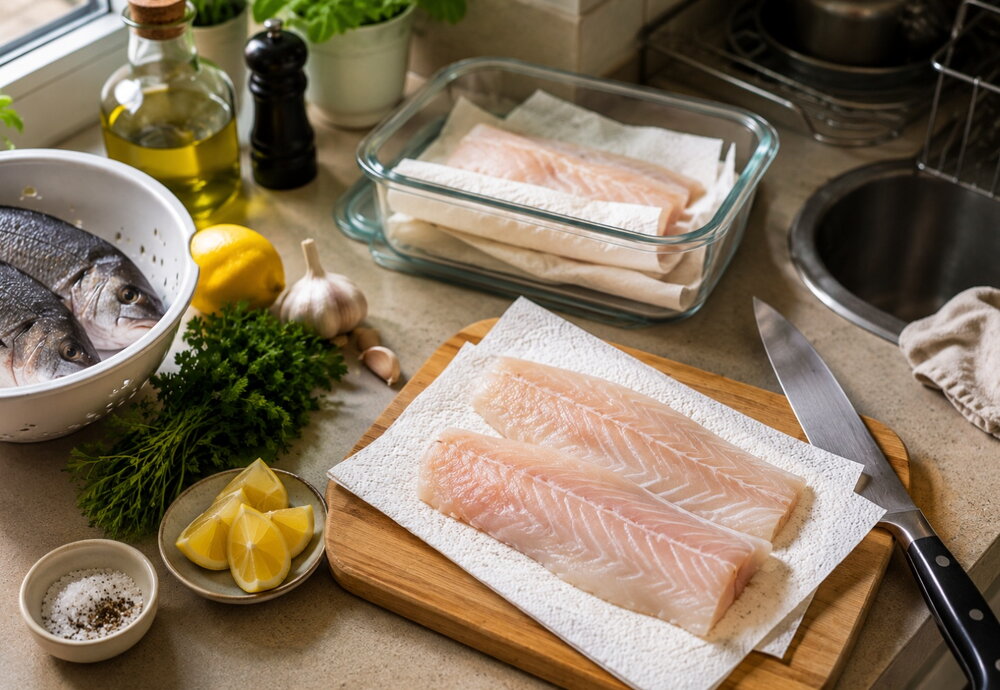
Cooking fish in a small kitchen can feel risky for one reason: smell. Not just while it cooks, but before, after, and somehow the next morning too. The good news is that “fish smell” is usually not inevitable. Most of the worst odor problems come from a few fixable things: buying fish that is not very fresh, storing it badly, cleaning it carelessly, or cooking it in ways that trap strong smells indoors.
A good fish routine is less about magic tricks and more about control.
If you buy the right fish, prep it properly, keep it cold, dry it well, and cook it with ventilation and timing in mind, fish can be one of the easiest proteins to manage even in a small apartment kitchen.
Here is the no-smell fish guide: how to buy, clean, store, and cook fish with less odor and less stress.
Why Fish Smells in the First Place
Fresh fish should not smell aggressively “fishy.” It should smell mild, clean, and slightly like the sea, not like a bin, old water, or ammonia. Strong odor usually means one of two things: the fish is not fresh enough, or it has been handled badly.
Then there is cooking smell, which is different. Even fresh fish can create lingering odor if:
- it sits in the fridge uncovered
- it is not cleaned properly
- it is fried in lots of oil
- scraps are left in the bin
- pans, boards, and sinks are not cleaned immediately
- the kitchen has weak ventilation
So the goal is not just choosing fish. It is choosing the whole system around it.
Rule 1: Buy Fish That Smells Clean, Not Loud
The biggest smell mistake happens before you get home.
When buying whole fish, look for:
- clear, bright eyes
- shiny skin
- firm flesh
- red or pink gills, not dull brown or grey
- a fresh, mild smell
When buying fillets, look for:
- moist but not slimy flesh
- no browning edges
- no milky puddles in the package
- a clean, neutral smell
If the fish smells sharply fishy at the shop, it will not improve in your kitchen.
For small kitchens especially, mild-smelling fish are easier to live with. Good options include:
- sea bass
- bream
- tilapia
- cod
- haddock
- snapper
- salmon if very fresh
- mackerel only if you are ready for a stronger smell
Very oily fish can be delicious, but they often smell stronger during cooking.
Rule 2: Choose Smaller Quantities More Often
In a small kitchen, buying too much fish is usually a bad bargain. Fish is one of the least forgiving proteins when it comes to storage, so it is smarter to buy:
- only what you need for one meal
- or enough for one meal plus one immediate next-day use
That reduces the risk of fish sitting too long in the fridge and starting to smell stronger than it should.
If you know you will not cook it quickly, freeze it early rather than “hoping tomorrow works out.”
Rule 3: Get It Cold Fast
Fish should go from shop to fridge quickly. In warm weather especially, do not let it ride around in the car while you run extra errands.
Once home:
- refrigerate immediately
- keep it in the coldest part of the fridge
- use it as soon as possible
- do not let it sit in thin shop wrapping for long
A good small-kitchen move is to rewrap it properly right away.
Rule 4: Store It Dry, Tight, and Cold
Bad fish smell often starts in the fridge.
The best short-term storage setup is:
- pat the fish dry gently
- place it in a container or on a plate
- line underneath with paper towel
- cover tightly
- keep it very cold
The paper towel helps absorb extra moisture, which reduces slime and stale smell. Tight covering matters because exposed fish can scent the entire fridge.
For whole fish, do the same but make sure the cavity is not wet or messy. Moisture plus trapped fridge air is where smell really starts building.
Rule 5: Clean It Properly, but Do Not Overdo the Drama
A lot of people either clean fish too little or turn it into a huge messy operation.
For fillets, cleaning may just mean:
- checking for scales or bones
- trimming any dark or overly fatty bits if needed
- patting dry
For whole fish, clean properly but efficiently:
- scale well
- remove innards fully
- rinse quickly if needed
- dry thoroughly inside and out
The drying part matters more than people think. Wet fish smells stronger, browns worse, and splatters more in the pan.
If your kitchen is tiny, do all the messy fish work in one session, then immediately wash:
- knife
- board
- sink
- tap area
- bin lid if touched
The smell usually comes less from the fish itself and more from the trail it leaves behind.
Rule 6: Use Lemon, Lime, Vinegar, or Salt Smartly
Acid can help freshen fish and reduce surface odor, but it is not a rescue plan for bad fish. It is only for fresh fish that you want to prep cleanly.
Useful methods:
- a quick rub with lime or lemon
- a light rinse with diluted vinegar
- a little salt and citrus before cooking
- ginger and garlic in marinade for stronger fish
Do not soak fish forever in acid. That can damage texture, especially for delicate fillets. The point is to freshen and season, not pickle it by accident.
For stronger-smelling fish, combinations like lime + salt + ginger often help more than citrus alone.
Rule 7: Dry Fish Cooks Cleaner Than Wet Fish
If you remember one cooking tip, make it this: dry fish first.
Patting fish dry:
- reduces splatter
- improves browning
- helps seasoning stick
- reduces the “wet fish” smell that rises in steam
This matters whether you are pan-searing, grilling, roasting, or air-frying. Moisture is one of the main reasons fish smell spreads more aggressively indoors.
Rule 8: Frying Smells the Most
If smell is your main concern, deep frying is usually the hardest method for a small kitchen. Hot oil carries odor far, and the smell lingers in air, fabric, and bins.
For less smell, choose:
- oven roasting
- foil baking
- parchment baking
- air frying
- grilling outdoors if possible
- pan-searing with moderate oil, not deep frying
Foil or parchment packets are especially good because they trap much of the smell while cooking and release it only briefly when opened.
Rule 9: Use Covered or Contained Cooking Methods
The best small-kitchen fish methods are the ones that keep the smell controlled.
Best low-smell methods:
Foil-baked fish
Fish with herbs, lemon, onions, or ginger sealed in foil. Very effective.
Parchment parcels
Same idea, but feels slightly lighter and less steamy.
Oven-roasted tray fish
Good ventilation helps, but it still smells less than heavy frying.
Air fryer fish
Fast, efficient, usually less lingering smell than stovetop frying.
Brothy fish dishes
If well-seasoned with aromatics, these can smell more like the broth than “fish.”
Stronger-smell methods:
- deep frying
- shallow frying in lots of oil
- long stovetop cooking without ventilation
- high-heat oily fish in an unventilated room
Rule 10: Ventilation Starts Before the Pan Gets Hot
Do not wait until the fish is already cooking to think about smell.
Before you start:
- open windows
- turn on extractor fan
- clear the drying rack and sink area
- line the bin if needed
- get cleaning cloths ready
That way the kitchen is already moving air before any odor builds.
A small but useful trick: simmering a little water with lemon slices or citrus peel after cooking can help freshen the room, especially after frying.
Rule 11: Clean Up Immediately
This is one of the biggest differences between “fish smell for 20 minutes” and “fish smell until tomorrow.”
As soon as the fish is cooked:
- wash the pan
- wash the spatula or tongs
- clean the board
- wipe the counter
- rinse the sink
- take fish scraps or packaging out of the kitchen bin
If the scraps stay inside, the room will keep smelling even if the food was perfectly cooked.
In a small kitchen, the bin matters almost as much as the stove.
Rule 12: Cook Fish with Strong, Fresh Aromatics
This is not about hiding bad fish. It is about making the kitchen smell like a meal instead of just a protein.
Great fish-friendly aromatics include:
- ginger
- garlic
- spring onion
- lemon
- lime
- herbs
- black pepper
- onions
- thyme
- chili
- parsley
- coriander
A ginger-garlic fish bake will smell much better in a small kitchen than plain fish in oil.
Best Fish Choices for Small Kitchens
If odor control matters, start with fish that cook cleanly and smell mild:
Easiest
- cod
- haddock
- sea bass
- tilapia
- snapper
- sole
Moderate
- salmon
- trout
- bream
Stronger-smelling
- mackerel
- sardines
- herring
- some dried or salted fish
- oily whole fish cooked in open pans
That does not mean avoiding the stronger ones forever. It just means choosing the right day and cooking method.
The Biggest “No Smell Fish” Mistakes
The first is buying fish that already smells too strong.
The second is leaving it loosely wrapped in the fridge.
The third is cleaning it without cleaning the sink and board after.
The fourth is frying in too much oil in a closed room.
The fifth is leaving scraps, packaging, or used paper towels in the indoor bin.
Usually, the smell problem is not one dramatic mistake. It is five small careless ones in a row.
A Good Small-Kitchen Fish Routine
A clean system looks like this:
Buy fresh fish.
Bring it home cold.
Dry and wrap it properly.
Cook it soon.
Use a low-smell method.
Ventilate early.
Clean immediately.
Take scraps out.
That is the whole game.
Final Bite
Fish does not have to take over a small kitchen. If it smells aggressively bad, the problem often started before cooking. And if the smell lingers too long, it is usually storage, moisture, ventilation, or cleanup that went wrong.
Fresh fish, dried properly, cooked smartly, and cleaned up fast is a completely different experience from the dreaded “fish smell everywhere” scenario.
Because in a small kitchen, fish success is not just about taste.
It is about containment.