
Make Your Own Spice Mixes: Taco, Curry-ish, Shawarma-ish, BBQ-ish & More
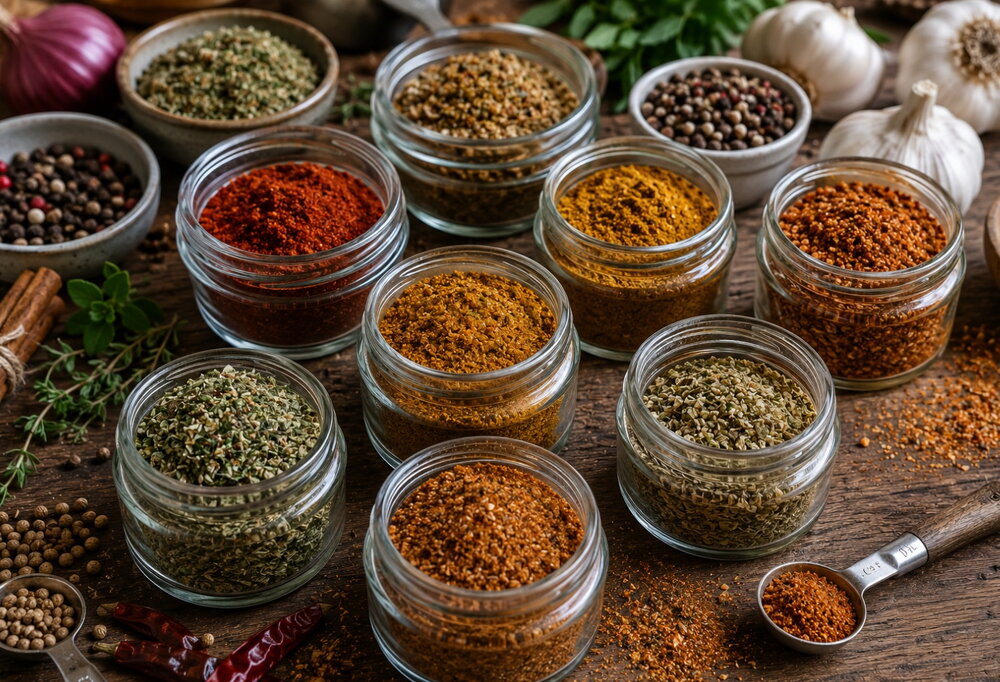
A good spice mix is one of the easiest ways to make everyday cooking feel more intentional. It saves time, reduces decision fatigue, and gives you a shortcut to flavor when dinner needs help fast. Instead of pulling eight jars from the cupboard every time you cook chicken, roast vegetables, beans, or potatoes, you reach for one blend that already knows what it is doing.
That is the real appeal.
Homemade spice mixes are not just cheaper than buying lots of specialty blends. They are also more flexible. You can make them less salty, more smoky, warmer, brighter, more garlicky, or less aggressive depending on what you actually like. And once you understand the structure, you do not need exact formulas every time. You can build mixes that feel taco-ish, curry-ish, shawarma-ish, or BBQ-ish without pretending you are cloning a factory packet.
This is the whole system: how to make your own spice mixes, what each style usually needs, and how to make them taste balanced instead of dusty.
Why Homemade Spice Mixes Are Worth It
Store-bought spice mixes can be convenient, but they often come with one or more of these issues:
- too much salt
- too much sugar
- stale spices
- too much filler
- not enough of the good stuff
- one-note flavor that tastes the same on everything
Homemade blends fix that.
They let you:
- control salt separately
- use fresher spices
- adjust heat
- make small batches
- build the flavor toward your cooking style
That last part matters most. A spice mix should support how you cook, not just sit in a jar looking ambitious.
The Basic Structure of a Good Spice Mix
Most good spice blends are built from a few roles:
The base: the main flavor identity
The support spices: depth, warmth, or brightness
The aromatic helpers: garlic, onion, herbs
The edge: heat, smoke, pepper, tang
The balance: sweetness or bitterness in tiny amounts if needed
Once you understand those roles, most blends start making more sense.
For example:
- paprika may be the base
- cumin and coriander may provide depth
- garlic powder and onion powder add savoriness
- chili gives edge
- black pepper sharpens everything
That is why spice mixes feel coherent when they work well. They have structure, not just random red powder energy.
A Few Rules Before You Start
Use fresh-ish spices
If your cumin smells like cardboard, your blend will too.
Make small batches
Spice mixes are better when they still smell alive. Make enough to use in a reasonable stretch, not enough to survive until next year.
Salt separately unless you have a reason not to
Keeping salt out makes the mix more flexible. You can season the food properly based on quantity and cooking method instead of being trapped by the blend.
Label the jar
All brown-red powders eventually become mysterious.
Toast only when it makes sense
Whole spices can be toasted and ground for deeper flavor, but do not feel like every weeknight blend needs a full ceremonial treatment.
1. Taco-ish Spice Mix
This style should taste warm, earthy, a little smoky, and comfortably savory.
Core flavors:
- chili powder
- cumin
- paprika
- garlic powder
- onion powder
- oregano
Optional helpers:
- smoked paprika
- coriander
- black pepper
- a tiny pinch of sugar
- cayenne for more heat
Best for:
ground beef, chicken, beans, roasted potatoes, cauliflower, tacos, quesadillas, rice bowls
The key is cumin plus chili plus garlic. That trio does most of the identity work.
2. Curry-ish Spice Mix
This is not about pretending to replace every regional curry tradition with one jar. It is about building a warm, layered blend that gives weeknight food a curry-style mood.
Core flavors:
- turmeric
- coriander
- cumin
- ginger
- garlic powder
- black pepper
Optional helpers:
- fenugreek
- cinnamon
- chili
- mustard powder
- cardamom in very small amounts
Best for:
chicken, lentils, chickpeas, potatoes, cauliflower, soups, rice dishes, yogurt marinades
The balance matters here. Too much turmeric and it gets dusty. Too much cinnamon and it drifts into confusion. Curry-ish blends work best when warm and savory, not loud in one direction.
3. Shawarma-ish Spice Mix
This style should feel warm, fragrant, a little earthy, and slightly mysterious in the best way.
Core flavors:
- cumin
- coriander
- paprika
- garlic powder
- black pepper
- cinnamon
Optional helpers:
- allspice
- turmeric
- cloves in tiny amounts
- nutmeg in tiny amounts
- cayenne
Best for:
chicken, lamb, beef, roasted cauliflower, chickpeas, yogurt marinades, wraps, rice bowls
The trick with shawarma-ish flavor is restraint. A tiny amount of warm spice goes a long way. You want depth, not potpourri.
4. BBQ-ish Spice Mix
This is the blend for smoky, savory, slightly sweet food that wants to taste bold even before sauce shows up.
Core flavors:
- smoked paprika
- garlic powder
- onion powder
- black pepper
- chili powder
- a little brown sugar
Optional helpers:
- mustard powder
- cumin
- cayenne
- celery salt if you are making a rub-style blend
- a pinch of oregano
Best for:
chicken, ribs, potatoes, roasted carrots, wings, beans, corn, burgers
A little sugar helps with that familiar BBQ profile, but do not overdo it unless the blend is specifically for roasting or grilling.
5. All-Purpose Savory Mix
This is the everyday one. The one you reach for when a dish just needs more life.
Core flavors:
- paprika
- garlic powder
- onion powder
- black pepper
- dried thyme
- a little cumin
Optional helpers:
- oregano
- chili flakes
- celery seed
- coriander
Best for:
chicken, fish, eggs, roast vegetables, potatoes, beans, soups
This is less identity-heavy and more utility-driven. It should make food taste better without dragging every meal into the same flavor family.
6. Suya-ish / Nutty Warm Spice Blend
This one is inspired by that warm, nutty, peppery direction people love. Not an exact traditional formula, but the general mood.
Core flavors:
- ground peanuts or peanut powder
- ginger
- paprika
- cayenne or chili
- garlic powder
- onion powder
Optional helpers:
- bouillon powder in a tiny amount
- black pepper
- smoked paprika
Best for:
beef, chicken skewers, roasted plantain, grilled mushrooms, potatoes
Because nuts are involved, make this in smaller batches and store it more carefully than a dry spice-only mix.
7. Lemon-Herb-ish Mix
This one is useful when you want brightness and savoriness without a heavy red-spice profile.
Core flavors:
- garlic powder
- onion powder
- dried thyme
- oregano
- black pepper
- lemon zest powder or a little citric tang if you have it
Optional helpers:
- parsley
- dill
- rosemary in small amounts
- paprika for a little warmth
Best for:
fish, chicken, potatoes, rice, vegetables, yogurt marinades
This works especially well when paired with actual fresh lemon at the end.
8. Chili-Lime-ish Mix
This style is punchier, brighter, and great for snacks, vegetables, and fast food-style flavor.
Core flavors:
- chili powder
- paprika
- garlic powder
- onion powder
- cumin
- citrusy tang element if you have one
Optional helpers:
- cayenne
- sugar in a small amount
- black pepper
Best for:
corn, fries, roasted chickpeas, chicken, avocado, cucumber, popcorn, roasted nuts
This is one of the easiest “make boring snacks better” blends.
9. Warm Roasting Spice Mix
For vegetables and proteins that want depth without tasting like one named cuisine.
Core flavors:
- cumin
- coriander
- paprika
- black pepper
- garlic powder
Optional helpers:
- cinnamon in a tiny amount
- turmeric
- chili flakes
- thyme
Best for:
carrots, sweet potato, cauliflower, chickpeas, roast chicken, lentils
This is great for the kind of tray bake that needs a stronger identity than just oil and salt.
How to Keep Spice Mixes From Tasting Dusty
This is one of the biggest homemade spice problems.
A spice mix tastes dusty when:
- it has too much powdery spice and not enough aroma
- it is old
- it is used too heavily
- it is not balanced with salt, fat, acid, or sweetness in the final dish
To fix that:
- use garlic/onion support
- add black pepper for sharpness
- use spice mixes with oil or fat when cooking
- finish dishes with lemon, herbs, yogurt, hot sauce, or fresh onion where appropriate
A spice mix is not the whole dish. It is the flavor foundation.
How Much to Use
This depends on the food, but a useful starting point is:
- 1 to 2 teaspoons per 500 g / 1 lb of protein
- 1 to 2 teaspoons for a tray of vegetables
- less for eggs or lighter foods
- more if the blend is mild and salt-free
It is always easier to add more than to rescue an over-spiced tray.
Good Storage Habits
Keep spice mixes:
- in airtight jars
- away from heat and light
- labeled with the name and date
- in small enough amounts that you use them while they still smell strong
If the jar smells weak when opened, the food will taste weak too.
A Simple Homemade Formula
If you want to invent your own, try:
2 parts main spice + 1 part support spice + 1 part aromatic + 1/2 part edge
For example:
- 2 parts paprika
- 1 part cumin
- 1 part garlic powder
- 1/2 part chili
Then adjust from there.
That one formula gets you surprisingly far.
The Biggest Mistakes
The first is copying a spice list without understanding balance.
The second is using stale spices and blaming the recipe.
The third is making giant batches.
The fourth is including too much salt or sugar too early.
The fifth is expecting the blend to do all the work without proper cooking.
Spice mixes help, but they still need heat, fat, salt, and technique to fully wake up.
Final Spoonful
Homemade spice mixes are one of the easiest kitchen upgrades because they make fast food taste more thought-through. Whether you want taco-ish, curry-ish, shawarma-ish, BBQ-ish, or just a stronger all-purpose blend, the secret is the same: balance, freshness, and knowing what job the mix is supposed to do.
Because once you stop thinking of spice blends as mysterious store products and start thinking of them as flavor systems, your cooking gets easier fast.