
Low-Oil, High-Flavor Ghana Stews: How to Keep Taste While Cutting Oil
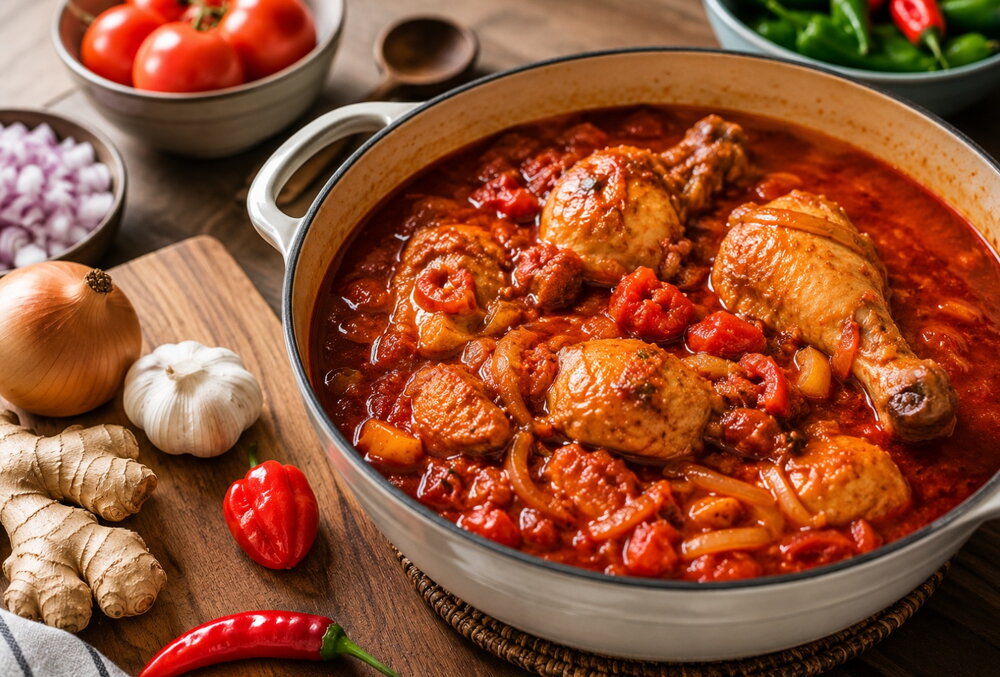
A lot of people assume a rich Ghana stew has to begin with a generous pour of oil. That deep red sheen, the fried tomato base, the glossy finish — it all looks like proof that more oil means more flavor. But that is only partly true.
Oil helps, yes. It carries flavor, supports frying, and gives stew body. But too much oil is not the same thing as better taste. In fact, once you understand where stew flavor really comes from, you can cut the oil back quite a lot and still end up with something deeply savory, balanced, and satisfying.
The secret is this: stew flavor lives more in the properly cooked base than in the oil floating on top.
If the onions are cooked right, the tomato is reduced properly, the ginger-garlic blend is balanced, the seasoning is layered, and the protein or stock brings depth, you can make a Ghana-style stew that tastes full and rich without half a cup of oil doing all the work.
Here is how to make low-oil, high-flavor Ghana stews without losing the soul of the dish.
What Oil Actually Does in Stew
Oil does four useful things in stew:
- helps fry the onion and tomato base
- carries fat-soluble flavors from spices and aromatics
- improves mouthfeel
- gives the stew a glossy finish
That is why completely removing it can make stew taste flat, sharp, or undercooked if nothing else changes.
But the mistake is thinking oil is the main flavor source. It is not.
The real flavor usually comes from:
- reduced onions
- cooked tomato
- pepper depth
- ginger and garlic
- stock or meat juices
- seasoning
- time
So the goal is not “no oil at all.”
The goal is just enough oil to build flavor, but not so much that it becomes the whole structure.
Rule 1: Start With Less Oil Than Habit Tells You
One of the easiest ways to make stew lighter is simply to challenge the first pour.
A lot of home cooks add oil by eye based on what they grew up seeing in big-batch cooking. But large event stews, restaurant stews, and family-party pots are often designed for:
- scale
- longer holding time
- visual richness
- more protein volume
At home, you usually do not need that much.
Instead of flooding the pot, start with a measured smaller amount and let the onions and tomato do more of the work.
Once you begin this way consistently, your taste adjusts surprisingly fast.
Rule 2: Cook the Onion Base Properly
This is one of the biggest flavor upgrades in a lower-oil stew.
When oil is reduced, onions matter even more. If they are rushed, the stew can taste raw, thin, or too acidic. If they are cooked well, they create sweetness, depth, and body that help replace some of the richness people expect from oil.
Good onion technique means:
- chopping or blending depending on stew style
- cooking long enough to soften properly
- letting them become fragrant and slightly golden, not just wet and pale
- seasoning lightly from the beginning
A well-cooked onion base makes a stew taste fuller before tomato even enters the conversation.
Rule 3: Reduce the Tomato Further Than You Think
This is probably the most important part.
A lower-oil stew cannot depend on oil to round out undercooked tomato. That means the tomato base has to be cooked until it genuinely changes.
You want it to move from:
- bright and watery
to - thick, darker, sweeter, and more concentrated
Whether you are using fresh tomatoes, blended tomato-pepper mix, or tomato paste as part of the base, the key is proper reduction.
This is where the deep stew flavor develops. If the tomato is not cooked down enough, the stew tastes sharp and incomplete, and people often mistake that for “it needs more oil.”
Usually it does not need more oil.
It needs more cooking.
Rule 4: Use Tomato Paste Strategically
Tomato paste is one of the best helpers in low-oil stews because it brings concentrated tomato flavor without extra water.
Used properly, it can:
- deepen color
- boost savoriness
- thicken the base
- help the stew taste more cooked and rich
You do not need a huge amount. Just enough to support the fresh blend or main tomato base.
Frying the tomato paste briefly in the pot before adding more liquid ingredients can build a stronger, darker flavor very quickly.
Rule 5: Let Aromatics Pull More Weight
When you cut oil, the aromatics need to be sharp and properly balanced.
The classic Ghana stew support team:
- ginger
- garlic
- onion
- pepper
becomes even more important.
A good ginger-garlic-onion blend gives stew that cooked, savory, unmistakably home-style depth that makes it feel complete. But balance matters. Too much ginger can dominate. Too much garlic can go harsh. Too much raw blended onion can make the whole thing feel wet and unfinished.
In lower-oil cooking, clean aromatic flavor becomes one of your biggest tools.
Rule 6: Brown Protein for Extra Depth
This is one of the smartest ways to replace some of the richness people associate with oily stew.
If you brown chicken, beef, turkey, fish, or even mushrooms well before they simmer in the stew, you create deeper savory flavor in the pot without adding more fat.
That browning gives you:
- caramelized notes
- fond in the pan
- stronger meat flavor
- more developed stew character
Even if you do not fully fry the protein, a little browning first makes a big difference.
The pot then tastes like it worked harder than it did.
Rule 7: Use Stock, Not Just Water
Low-oil stew needs flavorful liquid.
If you reduce oil but still build the stew with plain water, the result can taste thinner than it needs to. A light homemade stock, meat juices, or even the cooking liquid from seasoned protein adds body and depth without relying on fat for everything.
This helps especially with:
- chicken stew
- turkey stew
- beef stew
- light tomato sauces that need more backbone
The stew then tastes rich in flavor, even if it is lighter in oil.
Rule 8: Separate Surface Oil From Cooking Oil
Sometimes the problem is not how much oil went into the stew at the start. It is how much is left sitting on top at the end.
A low-oil stew approach means aiming for enough oil to cook well, but not enough to create a floating red layer after simmering.
That does not mean the stew must look dry. It should still look glossy and alive. But the finish should feel integrated, not greasy.
If you already know your recipe tends to release oil from skin-on chicken, fatty beef, or oily fish, start with even less added oil than usual.
Let the ingredients contribute some richness too.
Rule 9: Pepper and Spice Can Bring Excitement Without More Fat
Oil often creates the illusion of richness, but excitement can also come from:
- fresh pepper
- black pepper
- thyme
- curry powder
- bay leaf
- smoked paprika in some modern variations
- local seasoning choices used carefully
This does not mean turning every stew into a spice bomb. It means building aroma and warmth so the stew still feels vivid, not reduced.
A lower-oil stew should taste lighter, not weaker.
Rule 10: Simmer Uncovered When Needed
If the stew feels too loose, do not fix it with more oil. Fix it with reduction.
Simmering uncovered lets extra moisture escape and concentrates flavor. That gives you:
- thicker texture
- stronger tomato flavor
- better integration
- more natural richness
This is especially helpful when using fresh blended ingredients, which usually carry a lot of water.
The stew becomes more satisfying because it is concentrated, not because it is oily.
Rule 11: Add Fat Where It Matters Most
A useful trick in lower-oil cooking is to be more intentional about where the fat goes.
Instead of using a lot at the beginning, use:
- a smaller measured amount for frying
- maybe a tiny finishing spoon if the stew truly needs a little gloss at the end
That final little addition can sometimes do more for mouthfeel than an oversized starting pour.
This works especially well if the base itself has already been cooked properly.
Best Stews for a Lower-Oil Approach
Some Ghana-style stews adapt especially well.
Tomato chicken stew
Very friendly to this method because onion, tomato reduction, and stock do so much flavor work.
Beef stew
Works well if the beef is browned and the pot gets enough simmering time.
Turkey stew
Great when the meat is seasoned and roasted or browned first.
Fish stew
Can be excellent with less oil, especially if the base is concentrated and the fish is added carefully.
Garden egg stew
A smart candidate because the vegetable body helps with texture.
Kontomire-style stews
Can be adjusted well when the supporting ingredients are balanced and not drowned in oil.
These dishes do not need to become dry. They just do not need to swim.
The Biggest Mistakes When Cutting Oil
The first is cutting the oil without changing technique.
If you use less oil but still rush the onions and tomato, the stew suffers.
The second is using too much water.
A low-oil stew cannot also be watery and still taste strong.
The third is underseasoning.
Less fat sometimes means the seasoning needs to be more thoughtful, not louder, just more layered.
The fourth is expecting the exact same visual result.
A lower-oil stew may not have the same heavy red sheen, but it can still taste rich and proper.
The fifth is trying to make it “diet food.”
That mindset often strips out too much. The goal is balance, not punishment.
A Simple Low-Oil Stew Strategy
A reliable formula looks like this:
small measured oil + properly cooked onions + reduced tomato base + strong aromatics + browned protein + stock + steady simmer
That combination gives you body, flavor, and depth with much less reliance on oil.
How to Keep the “Ghana Stew Feel”
If you are worried the stew will stop tasting like the kind you know, focus on preserving the things that really define it:
- proper cooked tomato depth
- good pepper balance
- seasoned protein
- enough simmering time
- confident flavor, not timid flavor
That is what keeps the stew recognizable.
The goal is not a different cuisine.
It is the same stew logic, handled more carefully.
Final Spoonful
Low-oil Ghana stews work when you shift the source of richness away from excess oil and back toward real flavor-building: onions cooked properly, tomato reduced deeply, aromatics balanced well, protein browned for depth, and enough simmering to bring it all together.
That is how you keep the stew tasting like a stew — not like a watered-down compromise.
Because the truth is, oil helps.
But technique helps more.