
How to Make Anything Taste Smoky (Without a Grill)
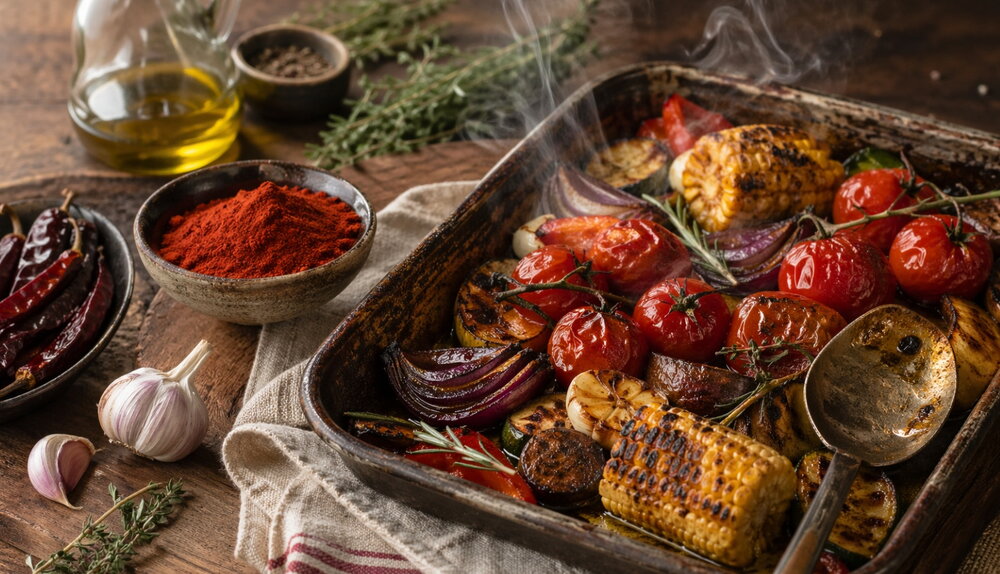
here is something about smoky flavor that makes food taste deeper, richer, and a little more dramatic. It can make vegetables feel meatier, soups feel slower-cooked, sauces taste more complex, and even simple snacks seem more intentional. The good news: you do not need a grill, a smoker, or a backyard setup to get there.
You just need to know which kinds of smoky flavor work best, and when to use them.
Here is how to make almost anything taste smoky — right from your kitchen.
1. Use Smoked Paprika for Instant Warmth
If you only keep one smoky ingredient in your kitchen, make it smoked paprika. It adds a gentle smoky depth without making food taste aggressive or artificial. It is especially good when you want warmth, color, and a little sweetness all at once.
Best for: roasted potatoes, stews, eggs, chicken rubs, beans, rice, mayo-based sauces.
How to use it: stir it into oil, sprinkle it over vegetables before roasting, or bloom it briefly in butter or olive oil before adding other ingredients.
2. Add Chipotle for Smoke Plus Heat
Chipotle is what happens when a jalapeño gets dried and smoked — so you get heat and smokiness together. It is bolder than smoked paprika and works best when you actually want people to notice the smoky flavor.
Best for: chili, tacos, burger sauces, roasted corn, beans, tomato sauces, marinades.
How to use it: add chipotle powder, or blend canned chipotle in adobo into dressings, dips, soups, or sauces.
3. Use Liquid Smoke Carefully
Liquid smoke is powerful, useful, and very easy to overdo. But when used properly, it can make oven-cooked food taste like it spent time over real fire. The trick is to use tiny amounts.
Best for: barbecue sauce, baked beans, vegan “pulled” fillings, burger mixtures, roasted mushrooms, homemade marinades.
How to use it: start with just a few drops. Not a splash. Not a spoonful. A few drops. Taste first, then add more only if needed.
4. Char Something on Purpose
Smoke and char are not exactly the same, but charred flavor helps create that same fire-kissed effect. Blackened edges, blistered skins, and dark caramelized spots all add depth that reads as smoky.
Best for: peppers, onions, tomatoes, corn, cabbage, eggplant, citrus halves.
How to do it: place vegetables directly over a gas flame, under a broiler, or in a very hot dry pan until they blister and darken.
Then blend them into sauces, soups, dips, or dressings for an instant smoky upgrade.
5. Toast Your Spices
Dry-toasting spices in a pan wakes them up and adds a darker, fuller flavor. Cumin, coriander, chili flakes, black pepper, and fennel all become more complex when briefly toasted before grinding or cooking.
Best for: curries, stews, lentils, rice dishes, roasted vegetables, spice rubs.
How to do it: toast whole spices in a dry pan for a minute or two until fragrant, then crush or grind them.
That deeper flavor does a lot of the same work that smoke does: it makes food taste rounder and more developed.
6. Burn Aromatics Slightly — On Purpose
A little controlled scorching goes a long way. Slightly blackened onions, spring onions, garlic, or ginger add a subtle smoky bitterness that can make soups, sauces, and stews taste more layered.
Best for: broth, tomato sauce, blended pepper sauces, jollof-adjacent bases, braises.
How to do it: let the cut side of onion or the skin of peppers darken in a hot pan or under the broiler before blending or simmering.
The goal is not “burnt.” The goal is “just enough fire to wake everything up.”
7. Try Smoked Salt
Smoked salt is an easy finishing move. It gives food a soft smoky edge without changing texture or adding heat. It is especially useful when a dish already tastes good and just needs a final little push.
Best for: eggs, avocado toast, roast vegetables, grilled cheese, popcorn, creamy dips, tomato salads.
How to use it: use it at the end, not early in cooking, so the smoky flavor stays noticeable.
8. Use Tea as a Secret Smoky Ingredient
Lapsang souchong tea has a naturally smoky aroma and can be used in surprisingly clever ways. It is not for everything, but in the right dish it creates a deep woodsy note that feels much more expensive than the effort involved.
Best for: marinades, poaching liquid, broths, sauces, mushrooms, glazed meats.
How to use it: steep the tea and use the liquid in cooking, or grind a small amount into a spice rub.
This is one of the most underrated smoky tricks in the kitchen.
9. Let the Oven Do More Work
A lot of people stop roasting too soon. Deep roasting — where vegetables get truly browned, edges go dark, and sugars caramelize properly — brings a flavor that feels close to smoke, especially when paired with smoked spices or charred aromatics.
Best for: cauliflower, carrots, sweet potatoes, mushrooms, cabbage, tomatoes.
How to do it: roast at a high heat and do not crowd the tray. Color equals flavor.
10. Finish with a Smoky Fat
Fat carries flavor beautifully, so adding smoke to a fat-based ingredient makes everything feel richer. Think smoky chili oil, smoked butter, bacon fat, or olive oil infused with smoked paprika.
Best for: pasta, beans, roasted vegetables, toast toppings, soups, dips.
How to use it: drizzle at the end so the smoky aroma stays fresh and noticeable.
The Best Smoky Tricks for Different Foods
Not every smoky method works equally well on every dish.
For vegetables: char, deep roast, smoked paprika, smoky oil.
For soups and stews: toasted spices, chipotle, charred onions, a few drops of liquid smoke.
For dips and spreads: smoked paprika, smoked salt, charred vegetables, chili oil.
For beans and lentils: chipotle, smoked paprika, browned onions, smoky fat.
For sauces: roasted tomatoes, blistered peppers, toasted cumin, tiny amounts of liquid smoke.
The Biggest Mistake to Avoid
The most common smoky-flavor mistake is going too hard. Too much liquid smoke, too much chipotle, or too much burnt flavor can make food taste harsh instead of delicious.
Smoky flavor works best when it feels woven in — not when it punches you in the face.
Start small. Taste as you go. Build slowly.
Final Bite
You do not need a grill to make food taste like fire touched it in a good way. A spoonful of smoked paprika, a charred onion, a few blistered peppers, or even a tiny drop of liquid smoke can completely change the mood of a dish.
Because smoky flavor is not just about barbecue. It is about depth. And depth makes almost everything taste better.