
Emerging Food Trends in 2026: What Will Be on Our Plates Next Year?
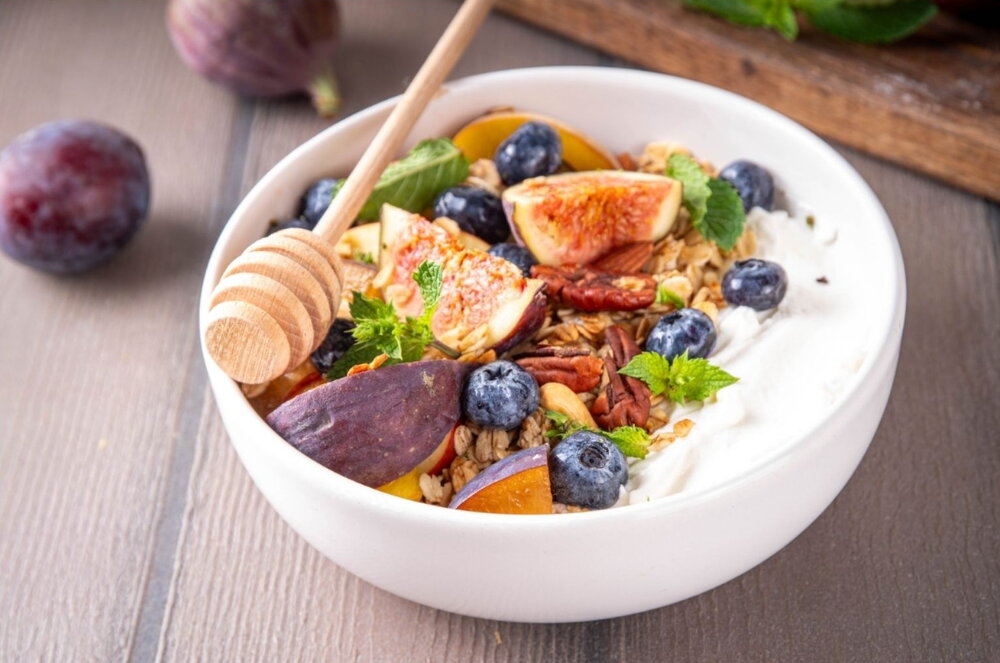
Food is changing fast. In 2026, what we cook and order won’t just be about taste – it will also be about health, mood, budget, sustainability and fun. Researchers and industry watchers are already tracking how people are eating around the world: more protein, more functional foods, more plants, bolder flavours, and smarter ways of cooking.
For home cooks, street-food lovers, small restaurants and food entrepreneurs, understanding these trends is a big advantage. It helps you plan menus, attract customers, and keep your cooking fresh and exciting. Here are the key food trends that will define 2026 — and how they might show up in your kitchen.
1. Protein Everywhere
Protein is still the star of the wellness conversation, and it’s not slowing down. Global research shows that more than half of consumers are actively trying to increase their protein intake.
In 2026 expect:
-
Protein-rich snacks: roasted nuts, seed mixes, chickpea snacks, yoghurt pots.
-
High-protein breakfasts: egg-based dishes, yoghurt bowls, protein oats.
-
Protein in everyday foods: breads, porridges, drinks and even desserts being quietly fortified.
Practical angle:
Think beyond just meat – eggs, beans, groundnuts, seeds and dairy all fit the trend and are widely available.
2. Gut Health & Functional Foods
Gut health is turning from a niche topic into a mainstream priority. Functional foods — products designed not just to feed you, but to support digestion, immunity, energy or mood — are booming.
What’s rising in 2026:
-
Fermented foods: yoghurt, kefir, kombucha, kimchi-style pickles, traditional ferments.
-
Prebiotic fibres: foods rich in fibre that “feed” good gut bacteria.
-
Drinks with added benefits: probiotic beverages, electrolyte and vitamin-infused waters.
Practical angle:
Even simple things like adding more vegetables, beans, and a little fermented food to meals taps directly into this trend.
3. Real Plant-Based, Not Fake Meat
Plant-based eating isn’t new — but the direction is changing. Instead of trying to copy meat perfectly, 2026 is moving toward “authentic plant-based”: meals that celebrate what plants naturally are, not what they’re pretending to be.
Expect more focus on:
-
Whole beans, lentils and grains
-
Nuts and seeds
-
Vegetables as the centre of the plate
-
Less ultra-processed imitation meat
Practical angle:
Meals built around beans, local grains and vegetables — with meat as a flavour accent, not the main event — are perfectly on trend.
4. Fermentation & Pickling Go Mainstream
Fermented and pickled foods are no longer just “traditional” or “old-fashioned” – they’re becoming cool, global and experimental. The worldwide fermented-foods market is projected to keep growing strongly through the next decade, driven by interest in probiotics, flavour and natural preservation.
In 2026 look for:
-
Homemade pickles and hot sauces
-
Fermented chilli pastes and relishes
-
Creative twists on classic ferments (spiced cabbage, fruit pickles, etc.)
Practical angle:
Simple jars of pickled onions, carrots or peppers can transform basic rice or grilled meat into something trendy and restaurant-worthy.
5. Sustainability, But Also Affordability
Consumers still care deeply about the planet – but they’re also watching their wallets. Global trend reports for 2026 show health, environmental impact and price sitting side by side as major decision drivers.
Key behaviours:
-
Choosing seasonal produce when possible
-
Wasting less food (using leftovers creatively)
-
Exploring cheaper, lower-carbon proteins like legumes and eggs
-
Paying attention to origin, packaging and production methods
Practical angle:
Low-waste cooking, using leftovers for next-day meals and buying what’s truly needed are not just sensible — they’re part of a global movement.
6. Comfort Food With a Twist
After years of uncertainty, people are leaning into food that feels safe, nostalgic and comforting — but with new flavours or more playful presentation. Analysts call this “retro rejuvenation” and “comfort with global personality.”
Think:
-
Familiar dishes upgraded with herbs, spices or cheeses
-
Classic noodles turned into rich, “restaurant style” bowls
-
Street food favourites reimagined with new sauces or toppings
Practical angle:
Take something everyone already loves — fried rice, stews, grilled chicken, simple pastries — and add one surprising element: a new spice, a different garnish, a creative plating style.
7. Bold, Surprising Flavours
2026 will be loud in the flavour department. Forecasts highlight blackcurrant as a “flavour of the year” — deep, tart, fruity and slightly earthy — while other unusual tastes like pickle seasoning are moving into the mainstream.
Expect more:
-
Sour-bright notes in sauces and drinks
-
Fruit used in savoury dishes (glazes, marinades, salsas)
-
Pickle-inspired seasonings on snacks and fries
Practical angle:
Using citrus, vinegar, sharp fruits or tangy pickles to cut through rich, oily or meaty dishes will instantly make them feel more modern.
8. Air-Fried Everything
Air-fried foods aren’t just a gadget fad anymore — they’re part of the “better-for-you comfort food” movement. Industry watchers expect air-fried snacks and air-fryer-friendly products to keep climbing in 2026.
At home this means:
-
Crispy potatoes and yam with less oil
-
Air-fried chicken, fish and wings
-
Reheating leftovers to taste freshly fried
Practical angle:
For small food businesses, offering an “air-fried” option can appeal to customers looking for lighter versions of their favourite dishes.
9. Inclusive & Flexible Eating
In 2026, food is becoming more inclusive and respectful of different needs — religious, ethical, health-related and environmental. Reports highlight a rise in inclusive menus (halal, vegetarian, vegan), plus growing interest in low-carbon and community-supportive options.
We’ll see more:
-
Menus with clear labels (allergens, meat-free, dairy-free)
-
Dishes that can be tweaked easily — with or without meat, with or without spice
-
Flexible eating styles (people mixing plant-based and animal-based foods depending on the day)
Practical angle:
If you cook for guests or customers, offering at least one good vegetarian and one non-spicy option is becoming essential, not optional.
10. Tech-Assisted Food Choices
Technology is quietly slipping into everyday eating. From apps that suggest recipes based on what’s in your kitchen to wearables and wellness tools that nudge people toward certain nutrients, digital and food are blending more each year.
Coming trends:
-
Personalised nutrition advice through apps
-
Recipe discovery driven by social media and AI tools
-
Smart kitchen gadgets that simplify cooking
Practical angle:
Using recipe apps or AI tools for meal ideas based on local ingredients can help home cooks and small businesses innovate faster.
Conclusion
The emerging food trends of 2026 show a clear pattern: people want food that does more — more nourishment, more comfort, more excitement, more respect for the planet, and more flexibility for different lifestyles. Protein, gut health, authentic plant-based meals, bold flavours, nostalgia, sustainability and tech-assisted choices will all shape what we cook and eat.
Whether you’re feeding a family, running a small food business, or just love experimenting in the kitchen, this is the perfect time to start testing these ideas. Try a fermented topping, air-fry a favourite snack, give a classic dish a bold new flavour, or build a menu that works for different dietary needs. That’s exactly where 2026 is heading.