
Christmas Eve Traditions Around the World: Food, Feasts & a Little Holiday Magic
Christmas Eve is, in many places, even more special than Christmas Day itself. It’s the night of waiting, gathering, telling stories — and of course, eating. Around the world, families prepare specific dishes, exact numbers of courses, and follow small “magical” rituals meant to bring health, love or good fortune in the year ahead.
Here’s a tour of Christmas Eve food traditions from different cultures, focusing on what people eat, how much they prepare, and the little symbolic touches that make the night feel enchanted.
1. Poland – 12 Meatless Dishes & the First Star
In Poland, the Christmas Eve meal, Wigilia, is deeply symbolic and entirely meatless. The feast traditionally includes 12 different dishes, said to represent the 12 apostles or the 12 months of the year.
Typical dishes:
-
Barszcz (beetroot soup) with dumplings
-
Carp or other fish, often fried or in aspic
-
Pierogi stuffed with cabbage, mushrooms or cheese
-
Cabbage dishes, poppy seed desserts, and compote made with dried fruits
Magic element:
-
The meal begins when the first star appears in the sky, symbolising the Star of Bethlehem.
-
A piece of blessed wafer (opłatek) is shared and broken between family members with wishes for the year ahead.
-
Sometimes a bit of hay is placed under the tablecloth to remember the manger.
2. Italy – The Feast of the Seven Fishes
In many Italian families (especially in southern Italy and among Italian-Americans), Christmas Eve is celebrated with a large seafood feast, often called the Feast of the Seven Fishes.
What’s on the table:
-
Fried calamari
-
Baccalà (salt cod) in various preparations
-
Clams, shrimp, octopus, anchovies and more
-
Pasta with seafood, simple vegetable dishes, bread and good olive oil
The number seven is linked symbolically to spirituality and perfection (seven sacraments, seven days of creation), though some families go for nine, eleven or thirteen dishes instead.
Magic element:
It’s considered a time of abundance and blessing, where the sea’s richness symbolises prosperity, and the absence of meat reflects a period of religious fasting before the joy of Christmas Day.
3. Spain – Late Dinners & Luxurious Ingredients
In Spain, Christmas Eve (Nochebuena) is marked by a late, elaborate dinner shared by the extended family.
Typical foods:
-
Roast lamb, suckling pig or turkey
-
Soup (like sopa de marisco – shellfish soup)
-
Jamón, cheeses and seafood starters
-
Turrón (nougat), polvorones (crumbly cookies) and other sweets
Magic element:
Midnight Mass (Misa del Gallo, “Rooster’s Mass”) is often part of the night. The richness of the food, especially expensive items like seafood and jamón, is a way of honouring the holy night and wishing the family prosperity.
4. France – Réveillon & Luxurious Midnight Feasts
In France, Christmas Eve dinner, known as le Réveillon, can start late and run past midnight.
Festive dishes might include:
-
Foie gras on toasted bread
-
Oysters and other seafood
-
Roast capon, turkey or goose
-
Rich cheeses
-
Bûche de Noël (yule log cake)
Magic element:
The table is often laid with great care: candles, good glassware, and a long, slow meal emphasise the idea of light and warmth overcoming winter darkness.
5. Nordic Countries – Pork Roasts, Fish & “Little Christmas” Magic
In countries like Sweden, Norway, Denmark and Finland, Christmas Eve is usually the main celebration day.
Common foods:
-
Julskinka (Christmas ham) or other pork roasts
-
Meatballs, sausages, potatoes
-
Pickled herring and salmon
-
Red cabbage, breads, cheeses
-
Rice pudding or porridge with almond
Magic element:
In some places, a whole almond is hidden in the rice pudding — whoever finds it is said to have good luck (or get married) in the coming year. Candles, snow and wooden decorations add to the cosy, fairy-tale feel.
6. Eastern Europe – Poppy Seeds, Honey & Symbolic Grains
In countries like Ukraine, Slovakia and parts of the Balkans, Christmas Eve is often a meatless, symbolic meal.
Typical foods:
-
Borscht or other soups
-
Fish dishes
-
Poppy seed rolls and honey-based desserts
-
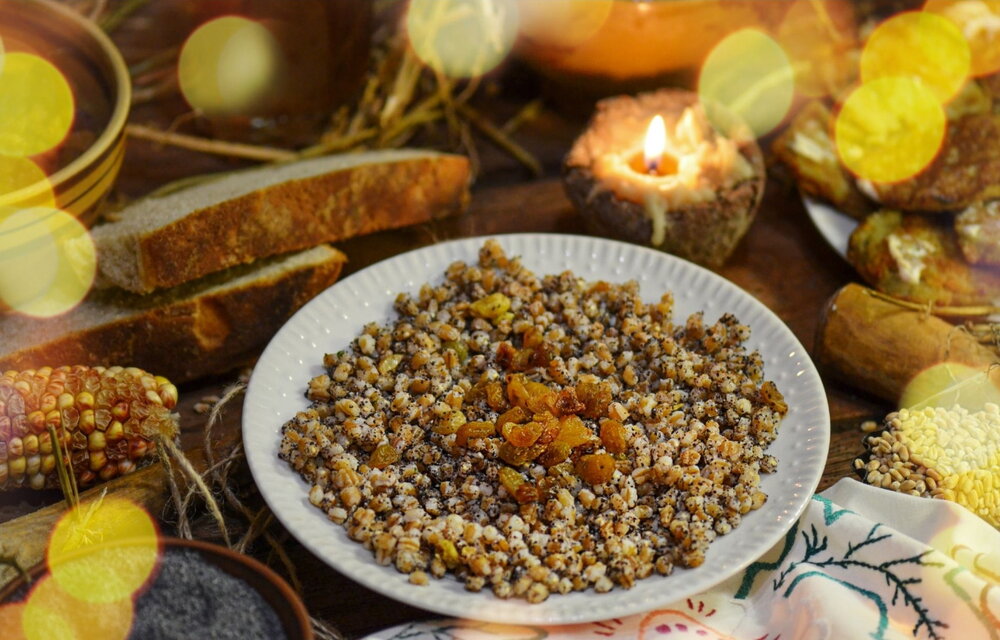
Kutia (a sweet dish of wheat, honey and poppy seeds)
Magic element:
Grains and seeds symbolise fertility, abundance and blessing. Some traditions include sprinkling grain or placing it under the table to bring prosperity to the home.
7. Latin America – Tamales, Hallacas & Midnight Celebrations
In many Latin American countries, Christmas Eve (Nochebuena) is celebrated with big family feasts that go on till midnight or beyond.
Examples:
-
Mexico: tamales, bacalao, roast turkey or pork, pozole, sweet bread
-
Venezuela: hallacas (corn dough parcels with meat and olives), pan de jamón, salads
-
Peru: roast turkey, panetón (sweet bread with dried fruit), hot chocolate
Magic element:
At midnight, many families open gifts, hug each other, and sometimes go outside to watch fireworks — food, family and fireworks all blended into one long celebration.
8. Portugal – Bacalhau & “Consoada”
In Portugal, Christmas Eve dinner (Consoada) often centres on bacalhau (salt cod).
Typical plate:
-
Bacalhau simply boiled with potatoes, cabbage and eggs, drizzled with olive oil
-
Later in the night, sweets such as rabanadas (similar to French toast), filhós (fried dough) and nuts are served.
Magic element:
Put aside an extra place at the table or leave some food after dinner – in some traditions it’s for the spirits of departed loved ones or for travellers, symbolising hospitality and remembrance.
9. The UK & Ireland – Lighter Night Before the Big Roast
In the UK and Ireland, the main feast is usually on Christmas Day, so Christmas Eve might be lighter but still cosy.
Common foods:
-
Simple dinners like baked fish, pies or stews
-
Mince pies and mulled wine
-
Cookies left out for Father Christmas, plus carrots for the reindeer
Magic element:
Leaving treats for Father Christmas (and his reindeer) is a sweet “magic” ritual. Children wake up eager to see if the cookies have been eaten.
10. Modern Twists – Snacking, Sharing & Fusion
In many places today, Christmas Eve is moving toward more relaxed, snack-style feasts:
-
Grazing boards with cheeses, meats, dips and breads
-
Small plates and finger foods from different cultures
-
Desserts that mix local flavours with global influences
The “magic” is less about strict rules and more about who is around the table: friends, family, partners, neighbours — and the feeling of warmth and abundance, whatever is being served.
Conclusion
From 12-course meatless dinners and all-seafood feasts to hidden almonds in rice pudding, shared wafers, symbolic grains and sweets left out for mysterious night visitors, Christmas Eve around the world is a rich tapestry of food and quiet magic.
The details differ — fish or pork, soup or sweets, early family supper or midnight feast — but the heart is the same: gathering in the dark of winter, sharing what you have, and hoping together for a year ahead filled with health, love and enough food for everyone at the table.