
Budget Jollof That Still Slaps: Smart Swaps + Flavor Cheat Codes for Tight Weeks
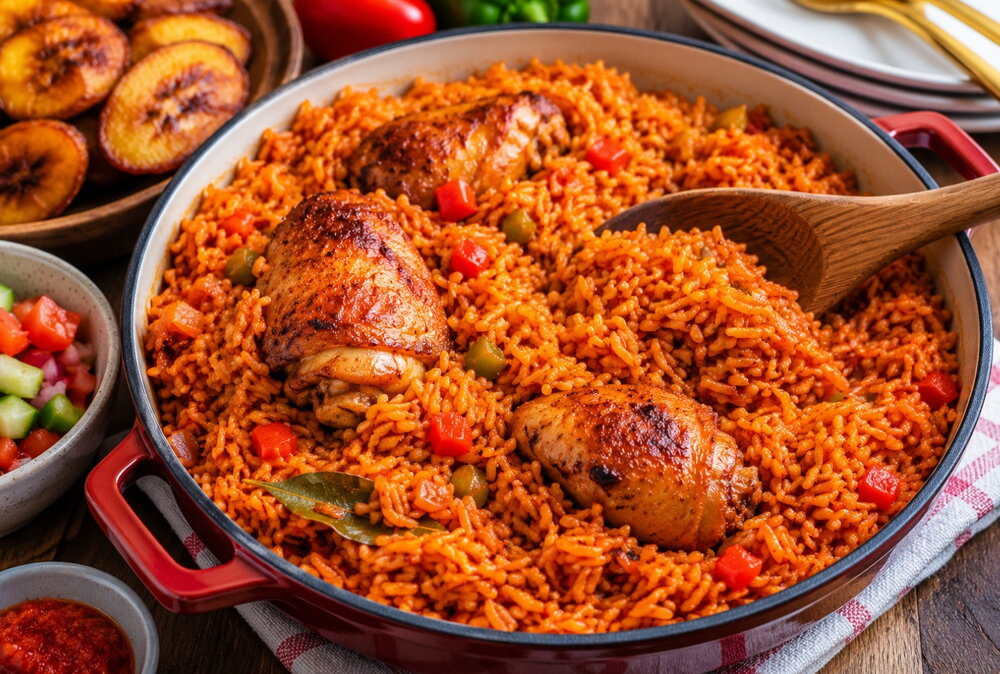
Jollof has a reputation for being a “special effort” meal — the kind of dish that wants plenty of tomatoes, lots of stock, a serious amount of protein, and a shopping basket that starts getting expensive very quickly. But the truth is, budget jollof can still be excellent.
Not “good for the price.”
Actually good.
The trick is understanding what makes jollof taste rich in the first place. It is not just raw ingredient volume. It is base depth, proper reduction, seasoning, smoke, and rice that absorbs flavor properly. Once you know that, you can make smart swaps, stretch ingredients more intelligently, and still end up with a pot that feels satisfying, savory, and very worth eating.
This is how to make budget jollof that still slaps — with smart substitutions and flavor cheat codes for tight weeks.
What Really Makes Jollof Taste Good?
A strong jollof usually depends on five things:
- a properly cooked pepper-tomato-onion base
- enough seasoning and salt
- a little smokiness or roastiness
- flavorful liquid
- rice cooked in concentrated sauce, not weak red water
That means if money is tight, the goal is not trying to fake abundance with extra oil or extra seasoning cubes. The goal is protecting the parts that matter most and trimming the expensive extras that matter less.
Rule 1: Build a Smaller but Stronger Base
One of the easiest budget mistakes is trying to keep the same huge blended base while buying fewer quality ingredients. A smarter move is making a smaller pot with a more concentrated base.
That means:
- cook the onions properly
- reduce the tomato-pepper blend properly
- do not leave the sauce watery
- make sure the base tastes full before rice goes in
A reduced, well-cooked base does more for jollof than a giant weak one.
Smart Swap 1: Use Tomato Paste Like a Grown-Up
Tomato paste is one of the best budget helpers in jollof because it gives:
- depth
- color
- stronger tomato flavor
- body without too much extra water
Used properly, it helps you stretch fresh tomatoes and peppers without making the rice taste thin. Fry it briefly at the start or after the onions so it darkens slightly and loses that raw canned taste.
This is one of the biggest cheat codes for budget jollof that still feels serious.
Smart Swap 2: Fewer Fresh Tomatoes, More Pepper-Onion Balance
Fresh tomatoes are great, but on tight weeks they can be expensive or watery. Instead of forcing a tomato-heavy blend, lean a bit more on:
- onions
- red bell pepper
- tomato paste
- a smaller amount of fresh tomato
This keeps the base flavorful and red enough without relying entirely on large quantities of fresh tomatoes.
The trick is balance. You still want tomato character — just not at the expense of the whole budget.
Smart Swap 3: Bouillon + Real Aromatics, Not Bouillon Alone
When meat stock is not happening, bouillon can help — but only if real aromatics are doing work too.
Budget jollof gets much better when bouillon is backed up by:
- onion
- garlic
- ginger
- thyme
- curry powder
- bay leaf
- black or white pepper
That way the pot tastes layered, not just salty.
Bouillon alone gives you loudness.
Aromatics plus bouillon give you actual depth.
Rule 2: Let Onions Carry More Flavor
Onions are one of the cheapest ways to make jollof taste fuller. Use them well.
That means:
- some blended into the base
- some cooked down at the start
- maybe a little extra sliced onion in the pot if that suits your style
Well-cooked onions add sweetness and savoriness that make budget jollof taste less “cut back.”
If protein is limited, onions help fill some of that flavor gap.
Smart Swap 4: Use Less Protein, but Season It Better
Tight-week jollof does not need to be loaded with chicken, turkey, beef, fish, and sausage all at once. In fact, one of the easiest money-saving moves is to use:
- fewer pieces of protein
- or smaller amounts used more intentionally
For example:
- a few well-seasoned chicken pieces on top
- one smoked fish element in the side stew
- sausage sliced through as accent, not centerpiece
- eggs as a supporting protein on the plate
This works because jollof is supposed to be delicious even before the meat shows up.
Flavor Cheat Code 1: Brown or Roast the Protein First
If you are using a small amount of chicken or turkey, roast or brown it properly first. That creates:
- stronger flavor
- deeper drippings
- color
- a more “complete” feel even with fewer pieces
Then use the drippings or stock from that protein to support the jollof.
A little properly browned protein does more than a lot of pale boiled meat.
Smart Swap 5: Use Stock Cubes + Protein Drippings + Water
If you do not have enough real stock for the whole pot, combine:
- a little reserved protein liquid or drippings
- water
- seasoning cube
- the stew base itself
This is much better than either plain water alone or over-seasoning with cubes to compensate.
The key is making the liquid taste like it belongs before it touches the rice.
Rule 3: Do Not Make a Huge Pot Just Because Rice Is Cheap
Rice is affordable compared with meat, yes — but huge pots of mediocre jollof are still a waste.
Budget jollof works best when the pot size matches the strength of the base. If you overstretch the sauce with too much rice, the result can taste under-seasoned, pale, and sad.
Better to make:
- slightly less
- but stronger
A smaller pot that tastes rich is always better than a giant one that tastes like compromise.
Smart Swap 6: Add Smokiness Without Extra Meat
One reason expensive jollof feels luxurious is that it often has smoky depth from meat, fire, or long cooking. On a budget, you can nudge the flavor there with:
- tomato paste fried deeper
- slightly charred onions or peppers in the blend
- smoked paprika in tiny amounts
- properly toasted bottom-of-pot rice
- roasted protein drippings
The goal is subtle smokiness, not “barbecue rice.”
Just enough to give the pot more personality.
Flavor Cheat Code 2: Let a Little Bottom Crust Happen
A little controlled party-bottom situation adds huge payoff. That lightly toasted, deeper rice note helps budget jollof taste more intentional and less flat.
This does not mean burning the whole pot into tragedy. It means:
- low heat near the end
- enough reduction
- enough patience
- no panic stirring every three minutes
That slight toastiness is free flavor.
Smart Swap 7: Bulk It Out With Sides, Not More Expensive Add-Ins
If you want the meal to feel bigger, do not force extra cost into the pot. Support the plate instead.
Good budget-friendly pairings:
- fried ripe plantain
- boiled eggs
- kachumbari-style salad
- cabbage salad
- pepper sauce
- fried onions
- baked beans on the side if that suits the meal
- a little shito or hot sauce
This makes the whole meal feel more complete without requiring the jollof itself to carry every expensive ingredient.
Rule 4: Season in Layers, Not One Big Dump
Budget cooking gets worse when everything depends on one late panic correction.
Instead:
- season onions lightly
- season the base
- taste before rice goes in
- adjust liquid properly
- check again before final steaming
That layering helps you avoid over-salting while still getting full flavor.
A common budget jollof problem is thinking “more seasoning cube” will fix everything. Usually what is needed is:
- more reduction
- more salt balance
- more onion depth
- more pepper or spice harmony
Smart Swap 8: Use Curry Powder and Thyme Carefully
These are classic budget jollof lifelines because they bring recognizable warmth and savory depth without huge expense. But they work best when used carefully.
Too much curry powder can make jollof taste dusty or oddly sweet. Too much thyme can dominate. The trick is enough to suggest warmth and familiarity — not enough to become the only thing you taste.
A little goes a long way.
Flavor Cheat Code 3: Add Bay Leaf and Remove It Like You Know What You’re Doing
Bay leaf is small, cheap, and quietly powerful in rice dishes. It gives background aroma that makes a budget pot feel more thought-out.
Not dramatic. Just deeper.
This is exactly the kind of low-cost trick that improves the whole pot without adding real expense.
Smart Swap 9: Bell Peppers Over Fancy Extras
Red bell peppers do a lot of work in jollof:
- color
- sweetness
- body
- balance
If you have room in the budget for one “helpful extra,” bell pepper often does more than expensive protein add-ins that disappear into the pot.
A good onion-pepper-tomato-paste base can carry a very decent budget jollof almost by itself.
Flavor Cheat Code 4: Ginger-Garlic Blend in Small, Balanced Amounts
A little ginger and garlic in the base helps cheap ingredients taste like they had a plan. But balance matters. Too much ginger especially can push jollof into sharpness instead of depth.
Use enough to build background flavor, not enough to announce itself loudly. In budget cooking, that kind of precision matters even more.
Best Budget Jollof Pairings
A few especially smart combinations:
Tight-week chicken jollof
smaller amount of browned chicken + strong base + fried plantain
Egg and jollof plate
well-seasoned jollof + boiled or fried eggs + pepper sauce
Veg-leaning jollof
strong tomato-pepper-onion base + carrots or green beans in moderation + side salad
Smoked-style budget jollof
deeper fried paste + roasted onions + a little paprika + small protein portion
Sunday leftovers jollof meal
budget jollof + cabbage salad + fried plantain + any leftover protein used as topping, not mixed through
The Biggest Budget Jollof Mistakes
The first is making the base too watery.
The second is stretching the rice too far.
The third is relying only on seasoning cubes.
The fourth is undercooking the tomato paste and onion.
The fifth is trying to imitate “luxury jollof” ingredient-for-ingredient on a tight budget.
Budget jollof is better when it accepts what it is and cooks smartly.
A Reliable Budget Formula
A strong tight-week formula looks like this:
onion + pepper + small tomato support + tomato paste + ginger/garlic + seasoning + reduced base + properly measured rice + one good side
That is enough to make a pot that feels satisfying and complete.
Final Spoonful
Budget jollof does not have to taste like the sad version of the real thing. If the base is cooked properly, the tomato paste is used intelligently, the onions pull their weight, and the seasoning is layered well, you can make a pot that still feels rich, balanced, and absolutely worth serving.
Because when money is tight, the smartest jollof trick is not pretending you have more ingredients than you do.
It is making the ingredients you have work harder.