
Creamy Jelly Cake with Fruit and Meringue
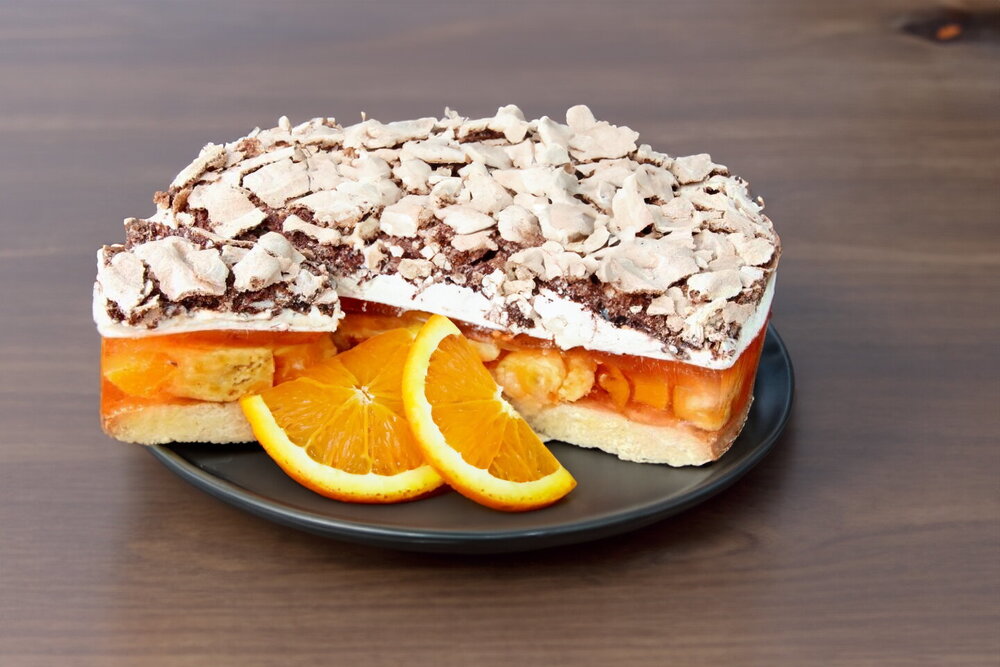
This amount of ingredients is enough for a 24-26 cm cake pan. This cake is very unusual.
Updated : 02 December, 2025
Easy
More than 1 hour.
Ingredients
Batter
250 grams
Wheat flour
3
Egg yolks
50 grams
Powdered sugar
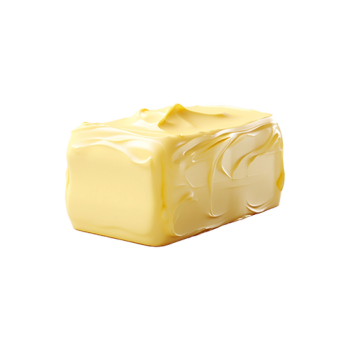
150 grams
Butter
0.5 teaspoon
Baking powder
to taste
Salt
Filling

300 grams
Jelly
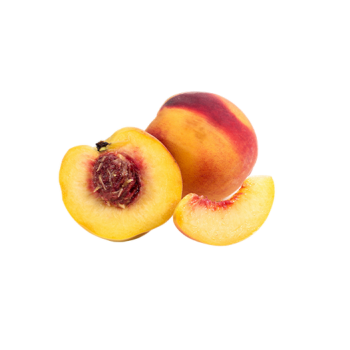
200 grams
Peach

8
Banana
Cream
140 grams
Curd cheese
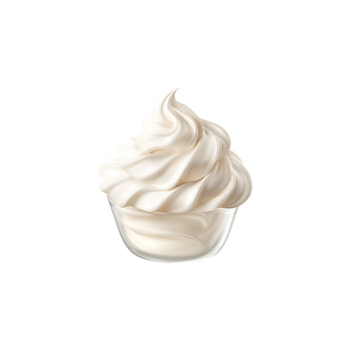
300 grams
Heavy cream
60 grams
Powdered sugar
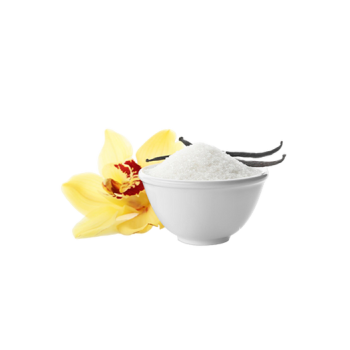
10 grams
Vanilla sugar
Meringue

3
Egg whites
120 grams
Powdered sugar
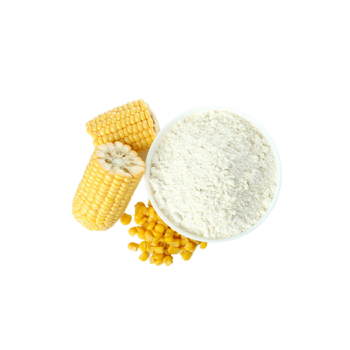
10 grams
Cornstarch
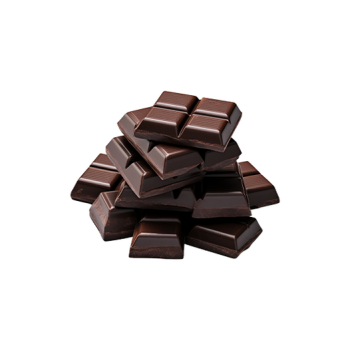
50 grams
Dark chocolate
Table
Table of volume measurements:
- teaspoon - 5 ml
- dessert spoon - 10 ml
- tablespoon - 20 ml
- glass - 200 ml
Preparation
Step 1
Start with the very delicate shortcrust base. For the dough, you can use eggs straight from the fridge, but the butter should be taken out in advance so it softens while still holding its cubed shape. You can make the dough in a blender or food processor, pulsing to crumbs, or by hand, but knead quickly so the base stays tender and crumbly.
Step 2
Sift the flour with the baking powder, powdered sugar and a small pinch of fine salt. Mix all the dry ingredients together.
Step 3
Separate the egg yolks into one bowl and the whites into a deeper one so they will be easy to whip later. Put the whites in the refrigerator for now - they’ll be needed later - and stir the yolks until smooth.
Step 4
Add the slightly softened butter cubes to the dry ingredients and rub with your hands into crumbs. Add the yolks and quickly knead the dough. If needed, add 1-2 tbsp of ice-cold water, but try to manage without it. I had large eggs and didn’t need to add water, there was enough moisture.
Step 5
Shortcrust dough doesn’t like long kneading; don’t overwork it, just knead as little as possible to bring it together into a ball.
Step 6
Line the bottom of a springform pan with parchment, close the ring and lightly grease the paper. Put the dough into the pan. You can roll it out to about 1 cm thick (between two sheets of parchment) or press it into the base with your hands - whichever is more convenient. The dough is quite pliable; don’t stretch the process. Then place the pan with the dough in the fridge for 15-25 minutes.
Step 7
After chilling, bake the shortcrust base in a preheated oven at 180°C (about 350°F) for 15-20 minutes, until golden. Check doneness with a toothpick: if it comes out dry, the base is ready. Let it cool slightly in the pan, run a thin knife along the side, and only then release the ring. The base is very delicate and crumbly; let it cool completely, leaving it on the parchment.
Step 8
The ingredients for the filling can vary. It’s best to use soft, juicy fruit that still keeps its shape well and looks pretty and neat through the jelly layer. I let the bananas ripen fully so they become soft and fragrant. I use canned peaches; pears or pineapple will also work. You can make the jelly from scratch or use dry mixes - choose yellow, orange or peach-colored jelly to your taste.
Step 9
First prepare the jelly so it can cool to room temperature. Make the instant jelly according to the instructions on the package; for mine I just poured the dry mix into hot water and stirred. You’ll be pouring the jelly in 2 stages. For the first one you need 800 ml. I used 4 packets of 50 g each, each diluted in 200 ml water. The second part, another 400 ml, we’ll prepare later, otherwise it will set too early.
Step 10
Prepare the pan. Wash and dry it. Place the base of the springform pan with the baked crust in the center of a large sheet of plastic wrap. Transfer the crust from the parchment onto the base, gently pulling the paper out and letting the crust slide onto the metal bottom. Be careful, it’s fragile! Gather the edges of the plastic toward the center (as in the photo in the original recipe). Carefully put the ring back on and close it, then smooth the plastic wrap evenly and fold it outwards around the sides.
Step 11
Arrange the bananas on the base and tuck pieces of canned peach between them. I used mini bananas and put them in whole. If you use regular or large bananas, cut them lengthwise in half and place them cut side down.
Step 12
To be extra sure there are no leaks, wrap the bottom of the pan in foil; I also put it on a baking tray. Pour in the first portion of cooled jelly, just to the tops of the bananas. Don’t pour more, or the light fruit will start to float. Place the pan in the fridge for 2-3 hours, until the jelly has obviously set and the fruit is fixed in place. The exact time will vary, just check.
Step 13
About 1 hour before the jelly in the pan is fully set, dissolve the second portion so it can cool. Take the pan out of the fridge and pour another 400 ml of jelly on top (I used 2 more packets). Return to the fridge until the jelly is completely set, about 4 hours (or overnight). The jelly layer will rise about 1 cm above the fruit.
Step 14
Ingredients for the meringue. The egg whites can be at room temperature or chilled; both work. It’s important that the bowl is grease-free and dry, otherwise the whites may not whip. Sift the powdered sugar and starch. Use plain chocolate without additives. I prefer dark chocolate with at least 50% cocoa. Milk chocolate works better for kids, and bitter chocolate is for those who enjoy a slight bitterness.
Step 15
Make the chocolate meringue. Melt the chocolate in short bursts in the microwave or over a water bath. Whip the whites to stiff peaks, gradually adding powdered sugar; this takes about 7 minutes (your time may differ). While continuing to whip, gradually pour in the starch and whip a little longer. Then pour in the melted chocolate and very gently fold it in with a spatula – just a couple of strokes so the mixture keeps a marbled pattern.
Step 16
Draw a circle on baking paper, slightly smaller than the top of your cake. Turn the sheet over on a baking tray and spread the meringue along the drawn circle. Smooth it carefully with a spatula. Put into a preheated oven at 120°C (about 250°F) and dry for about 1 hour. Then let it cool completely.
Step 17
Ingredients for the cream-cheese-and-cream layer. The cream must be cold and high-fat, at least 33%, suitable for whipping. It tastes best with cream cheese, but you can replace it with smooth homogenized cottage cheese.
Step 18
Make the cream. Whip the cream cheese until fluffy.
Step 19
With a clean, dry whisk, whip the cold cream until it just starts to thicken, gradually adding sifted powdered sugar and vanilla sugar. Add the whipped cream cheese or cottage cheese and whip a little more until combined.
Step 20
Spread the cream onto the set jelly layer and smooth it out.
Step 21
Carefully peel the paper off the meringue disc, then place the meringue on top of the cream and gently press. Be careful, the meringue is very fragile. Put the cake back in the fridge for 1-2 hours (or overnight).
Step 22
Then remove the ring and plastic wrap. Without removing the cake from the metal base, transfer it onto a cake stand or large plate. Decorate the top as you like and as your possibilities allow, but try not to overload it.
Step 23
The cake is light in texture but very filling. Serve it cut into small slice-sized portions; the meringue will crumble beautifully along the cut - that’s normal. Don’t keep the cake at room temperature for long; it prefers coolness and immediate tasting.
Author note
Share the recipe


