
The Curious History of Ghanaian Potato Salad
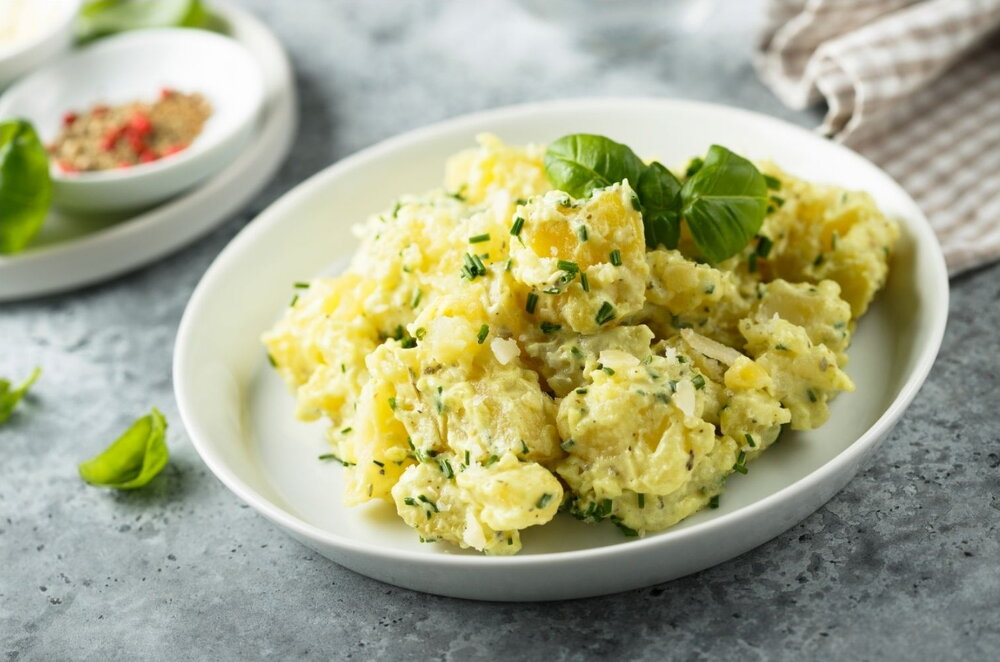
At nearly every Ghanaian celebration — weddings, Christmas feasts, birthday parties, naming ceremonies — you will find a bowl of creamy potato salad sitting proudly beside jollof rice, fried plantain, and grilled chicken. Today it feels completely Ghanaian, but the story behind potato salad is far more global and surprisingly complex. How did a European-style dish become a beloved Ghanaian favourite? The answer lies in trade, colonial influence, changing food trends, and Ghana’s talent for adapting foreign dishes into local cuisine.
This article explores the fascinating journey of potato salad from its origins abroad to its central place on Ghanaian festive tables.
A Global Dish Before It Became Ghanaian
Potato salad did not originate in Ghana. Its earliest forms come from European cuisines, especially German and Eastern European cooking, where potatoes were boiled and dressed with vinegar, herbs, or later, mayonnaise. As potatoes spread around the world through trade, and as European food traditions travelled through migration and colonisation, variations of this dish emerged in many countries.
By the mid-20th century, Western-style dishes — including salads made with potatoes, mayonnaise, and vegetables — began appearing in urban African homes. Imported potatoes, canned vegetables, and bottled salad creams became more widely available, providing the ingredients needed for this new type of salad. Slowly, potato salad made its way into Ghanaian kitchens.
How Potato Salad Entered Ghanaian Cuisine
Potato salad likely became popular in Ghana through a combination of exposure to Western food during colonial times, increased access to imported goods, and the influence of globalised cooking trends. As potatoes became part of the Ghanaian market and brands began importing mayonnaise and salad cream, home cooks started experimenting with these ingredients.
Over time, potato salad fit naturally into Ghanaian celebratory eating habits. Ghanaian households embraced it for several reasons:
-
It pairs easily with rice dishes like jollof and fried rice.
-
It’s simple to prepare in large quantities for gatherings.
-
It has a creamy, festive feel that suits party meals.
From the 1970s onward, it grew increasingly common at major family events, eventually becoming a symbol of celebration.
What Makes Ghanaian Potato Salad Unique
Ghanaian potato salad is not identical to the versions found in Europe or America. Over time, cooks in Ghana adapted the recipe to suit local tastes, ingredients, and food culture.
Key Ghanaian Twists Include:
-
Salad cream: Instead of relying solely on mayonnaise, Ghanaians often use salad cream for a tangier, lighter flavour.
-
Hard-boiled eggs: Eggs add colour, protein, and a festive look.
-
Spring onions: These give a fresh, aromatic lift to the salad.
-
Firm potatoes: Ghanaians prefer potatoes that hold their shape rather than mash easily, making the salad chunkier and more satisfying.
-
Pairing with party foods: Unlike Western potato salad often eaten on its own, in Ghana it is always part of a larger feast filled with rice dishes and stews.
These changes transformed a foreign dish into something distinctly Ghanaian.
Why It Became a Celebration Essential
Food in Ghanaian culture represents hospitality, abundance, and warmth. Potato salad quickly became associated with these values because it felt special — creamy, colourful, and different from everyday meals. It also added balance to heavily spiced and fried dishes, creating a rounded feast.
At Christmas, weddings, and big family events, potato salad’s presence signals that the meal is complete. It has become a comfort food, a nostalgic reminder of festive gatherings, and a dish that connects generations.
The Cultural Meaning Behind the Dish
Ghanaian potato salad is more than a recipe — it’s an example of how Ghanaian cuisine evolves. It reflects:
-
The blending of global influences with local preferences
-
The openness of Ghanaian culture to adopt and transform foreign foods
-
The importance of food in celebration and community
-
The creativity of Ghanaian home cooks
Like many dishes found in modern Ghanaian celebrations, potato salad tells a story of movement, adaptation, and cultural identity.
Conclusion
What began as a European-style salad has become a beloved Ghanaian classic. The journey of potato salad — from its foreign roots to its important role at Ghanaian celebrations — shows how cuisine evolves through contact, creativity, and culture. Today, Ghanaian potato salad stands as a symbol of celebration, community, and the country’s unique ability to make any dish truly its own.