
The Art of Ghanaian Hospitality: Why Sharing Food Means More Than Eating Together
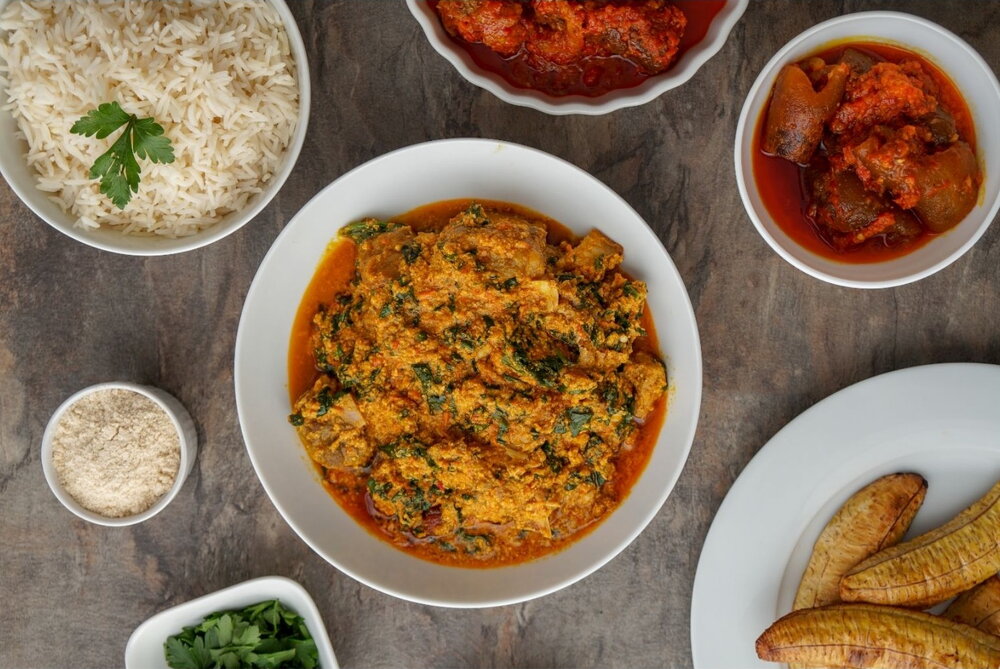
In Ghana, a meal is rarely just food on a plate — it’s a moment of connection, a gesture of kindness, and a reflection of culture. Whether it’s a simple bowl of banku and okro stew shared at home or a feast at a celebration, food in Ghana carries deep meaning. It’s not just about satisfying hunger, but about showing love, respect, and belonging.
Ghanaian hospitality is legendary. Visitors often marvel at how warmly they are welcomed and how quickly they are offered food — even by people they’ve just met. To Ghanaians, sharing food is not an obligation; it’s an expression of humanity. This article explores why sharing food in Ghana goes far beyond eating together, touching on history, tradition, and the powerful role of community.
1. The Cultural Roots of Ghanaian Hospitality
Hospitality is woven into the fabric of Ghanaian society. Traditionally, no guest should leave a home without being offered food or drink. In many communities, refusing such an offer can even be seen as disrespectful — not because of pride, but because of the spirit behind the gesture.
In Akan culture, there’s a saying: “Ɔbra yɛ ntɔkwa,” meaning “life is mutual.” This reflects a worldview where people depend on one another, and sharing ensures harmony. Offering food is an act of generosity and trust — a way of saying, “You are welcome here; you are one of us.”
2. Food as a Symbol of Unity
Across Ghana’s diverse regions — from the Ga communities of Accra to the Dagomba of the north — food brings people together. Meals are often shared from a common bowl, symbolizing unity, equality, and togetherness. Eating together teaches patience, respect, and sharing — values passed from one generation to the next.
Whether it’s fufu with light soup, waakye on a banana leaf, or kenkey with fish and shito, communal eating fosters connection. Everyone eats from the same source, without hierarchy or separation. In that moment, food becomes a language of equality — a quiet reminder that no one stands alone.
3. The Role of Food in Celebrations and Ceremonies
In Ghana, food is central to every major life event — births, weddings, funerals, festivals, and harvests. No celebration feels complete without a meal shared among family and friends.
For example:
-
At weddings, jollof rice, fried plantain, and grilled chicken symbolize joy and abundance.
-
At funerals, large pots of yam and palava sauce feed hundreds, reinforcing community support during loss.
-
During festivals like Homowo and Aboakyir, traditional foods are prepared and shared as offerings to ancestors and as symbols of unity.
Through these occasions, food becomes more than nourishment — it’s a vessel of cultural memory and collective emotion.
4. The Modern Face of Ghanaian Hospitality
Even as Ghana urbanizes, the spirit of hospitality remains. In cities like Accra and Kumasi, food still connects people across backgrounds. Restaurants and “chop bars” serve not only as dining spots but as social spaces, where stories, laughter, and friendship flow as freely as the food itself.
Diaspora communities have also carried this tradition abroad. Ghanaian restaurants in London, Toronto, and New York often embody this same warmth — offering hearty portions and personal interaction that make patrons feel at home. In many ways, Ghanaian hospitality has become a global ambassador of African generosity.
5. The Meaning Behind Sharing Food
When a Ghanaian shares food, it communicates more than words can express. It says:
-
“I value you.” Offering food is a sign of respect and friendship.
-
“I trust you.” Eating together breaks barriers and builds intimacy.
-
“We are one.” Sharing sustains community and creates belonging.
Even simple moments — like offering a co-worker a piece of fried yam or sharing lunch with a neighbor — strengthen social bonds. This is why food remains at the heart of Ghanaian identity; it sustains both body and soul.
Conclusion
The art of Ghanaian hospitality lies not in what’s on the table, but in the spirit behind it. It’s about giving, connecting, and making others feel seen and valued. Sharing food, for Ghanaians, is a language of love — one that transcends wealth, tribe, or status.
In a world that often rushes through meals, Ghana reminds us to slow down, share, and savour — not just the food, but the company. Because in Ghana, to eat together is to live together.